


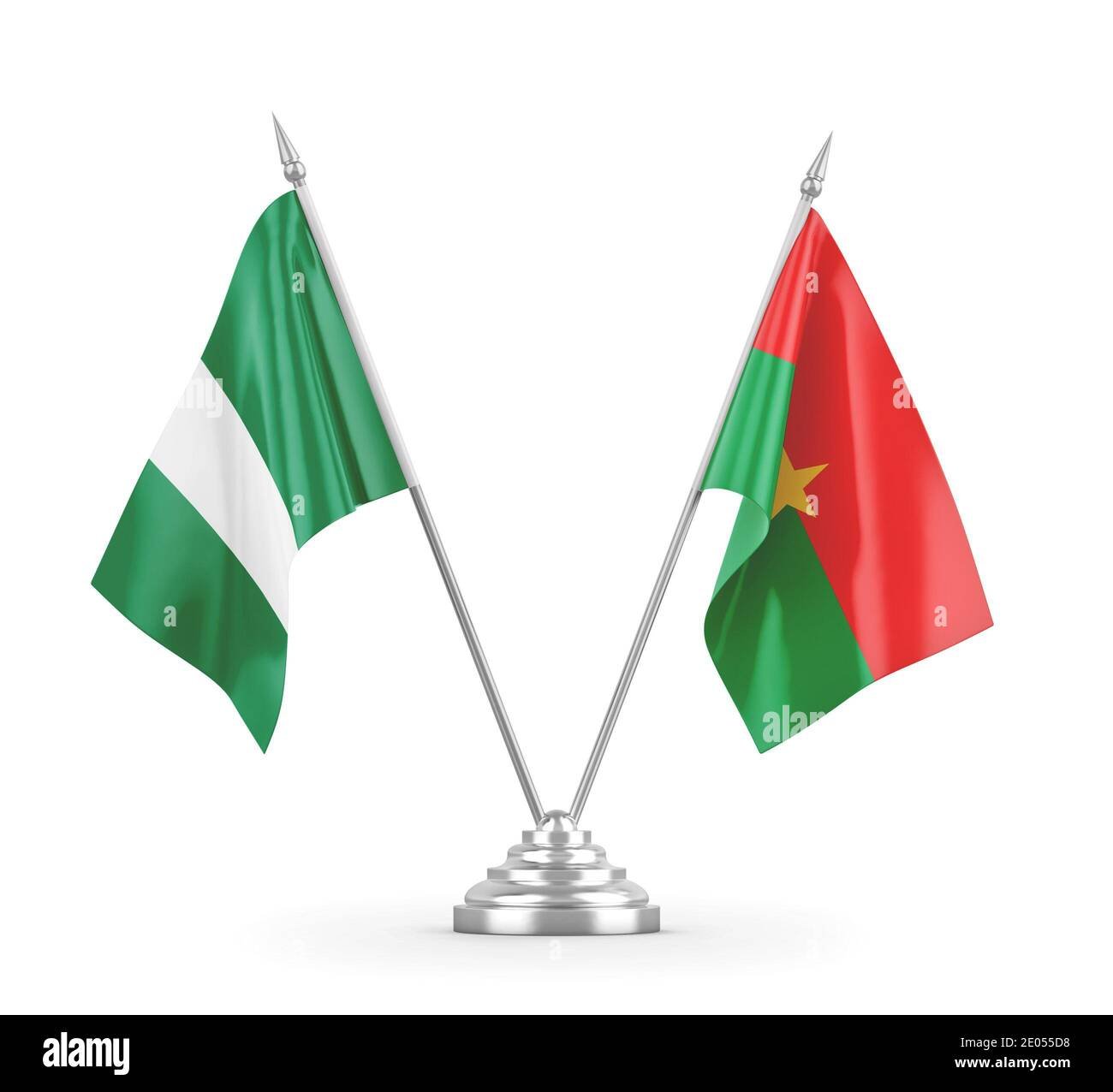
Nigeria and Burkina Faso are set to deepen economic cooperation through increased trade, investment, transportation, manufacturing, logistics and digital-economy partnerships.
The commitment was made during a meeting between Nigeria’s Ambassador to Burkina Faso, Amb. Syndoph Endoni, and the leadership of the General Confederation of Faso Enterprises (COGEF), Burkina Faso’s principal private-sector employers’ organisation, in Ouagadougou.
In a statement issued in Abuja, Endoni said the engagement, led by COGEF President, Idrissa Nassa, provided an opportunity for both countries to expand bilateral relations beyond traditional government-to-government diplomacy to stronger business-led cooperation.
According to him, the meeting was aimed at creating greater opportunities for businesses and entrepreneurs in both countries, while strengthening commercial ties as a means of giving fresh momentum to broader Nigeria-Burkina Faso relations.
Nassa, the ambassador quoted as saying, expressed COGEF’s readiness to develop extensive partnerships with Nigerian businesses to significantly increase bilateral trade and facilitate private-sector investment.
“COGEF will foster extensive economic partnership with Nigeria to significantly increase trade and facilitate investment opportunities between the Nigerian and Burkinabè private sectors,” Nassa said.
He added that the organisation would work closely with Nigerian partners to identify commercially viable areas of collaboration capable of strengthening the longstanding economic relationship between the two countries.
Responding, Endoni said Nigeria remained open to economic engagements, partnerships and business opportunities capable of broadening bilateral cooperation.
“Nigeria’s doors are open to Burkina Faso for any economic engagement and business opportunities that will further broaden our cooperation,” the ambassador said.
He stressed that Nigeria attached considerable importance to its relationship with Burkina Faso and was committed to significantly expanding economic and commercial ties.
Endoni particularly called for greater cooperation in transportation and logistics, saying improved movement of goods and services would help businesses overcome practical barriers to regional commerce and create a more attractive environment for investors.
He also disclosed that efforts were underway to reactivate joint economic mechanisms between the two countries, particularly the Nigeria-Burkina Faso Bi-National Joint Commission, to provide a more structured framework for bilateral economic engagement.
COGEF, formerly known as the National Council of Burkinabè Employers, serves as a major umbrella organisation for organised private-sector interests in Burkina Faso. It engages with government institutions, employers’ and workers’ organisations, as well as international partners, while promoting enterprise development and private-sector interests.
The two sides identified transportation and logistics as key areas with the potential to facilitate the movement of Nigerian goods into Burkina Faso while also providing Burkinabè businesses with greater access to Nigeria’s large consumer market.
The engagement comes against the backdrop of changing regional dynamics in West Africa, following Burkina Faso’s closer alignment with Mali and Niger under the Alliance of Sahel States (AES).
The three countries have formally withdrawn from ECOWAS, although discussions have continued on maintaining constructive regional relations and cooperation.
Against this backdrop, Endoni said stronger bilateral economic ties between Nigeria and Burkina Faso could provide a practical channel for sustaining regional connectivity despite changing political and institutional arrangements.
He noted that increased private-sector cooperation could help preserve commercial relationships and people-to-people contacts, irrespective of differences at the political or regional institutional level.
The ambassador said the meeting with COGEF was part of a series of engagements since he assumed duty in Ouagadougou, aimed at strengthening bilateral relations and enhancing Nigeria’s economic presence in Burkina Faso.
He emphasised the importance of sustained engagement with government institutions, the Nigerian community and Burkinabè stakeholders as part of efforts to deepen cooperation.
Both sides expressed confidence that stronger private-sector partnerships would generate tangible economic benefits while reinforcing the longstanding commercial and people-to-people ties between Nigerians and Burkinabè.


