


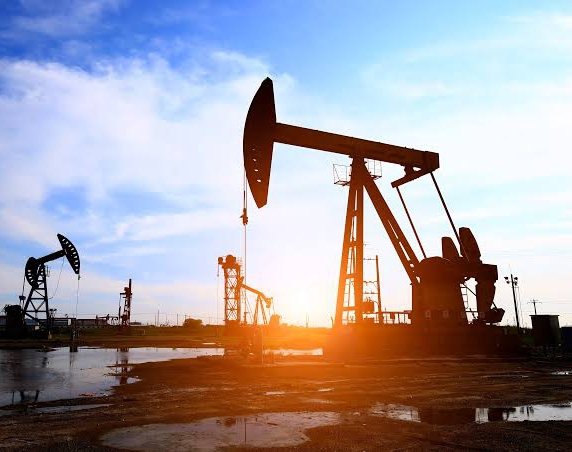
Oil prices rose further on Tuesday, September 1, 2026, as renewed military hostilities between the United States and Iran heightened fears of disruptions to crude supplies from the Middle East.
Brent crude futures gained 66 cents, or 0.7 per cent, to $91.15 per barrel by 0640 GMT, while U.S. West Texas Intermediate (WTI) crude rose 70 cents, or 0.8 per cent, to $86.46 a barrel.
The latest gains followed a strong rally in the previous trading session, when Brent settled 2.7 per cent higher after reaching its highest level since August 25. WTI also advanced 2.8 per cent to its strongest level since August 21.
Market sentiment was lifted after U.S. President Donald Trump threatened further military action against Iran following renewed direct attacks between the two countries on Sunday.
The escalation has raised concerns that the conflict could widen beyond the recent economic tensions and potentially threaten critical energy infrastructure and crude shipments across the region.
Tim Waterer, Chief Market Analyst at KCM, said the renewed confrontation had brought the possibility of Iranian retaliation back into focus.
“These developments bring the potential for Iranian retaliation back into focus. That raises the risk of damage to energy facilities around the Gulf and increases uncertainty over shipping through the Strait of Hormuz, both of which are supporting higher crude prices,” he told Reuters.
Meanwhile, shipping traffic through the Strait of Hormuz remained significantly below normal levels.
According to data from Kpler, only five visible commodity vessels passed through the strategic waterway on Monday, compared with a 10-day average of about 14 vessels. None of the vessels recorded was a liquid tanker.
Diplomatic efforts by Qatar and Oman to secure an agreement for the reopening of the Strait of Hormuz have so far failed to yield a breakthrough.
The waterway is one of the world’s most important energy corridors, with about one-fifth of global oil supplies passing through it before the conflict intensified in late February.
Iran closed the strategic route following joint U.S. and Israeli strikes on February 28, and the continued disruption has heightened concerns over global energy security.
Analysts say the uncertainty surrounding the waterway, coupled with the renewed military confrontation, could keep pressure on oil prices as markets assess the potential impact on regional production and exports.


