


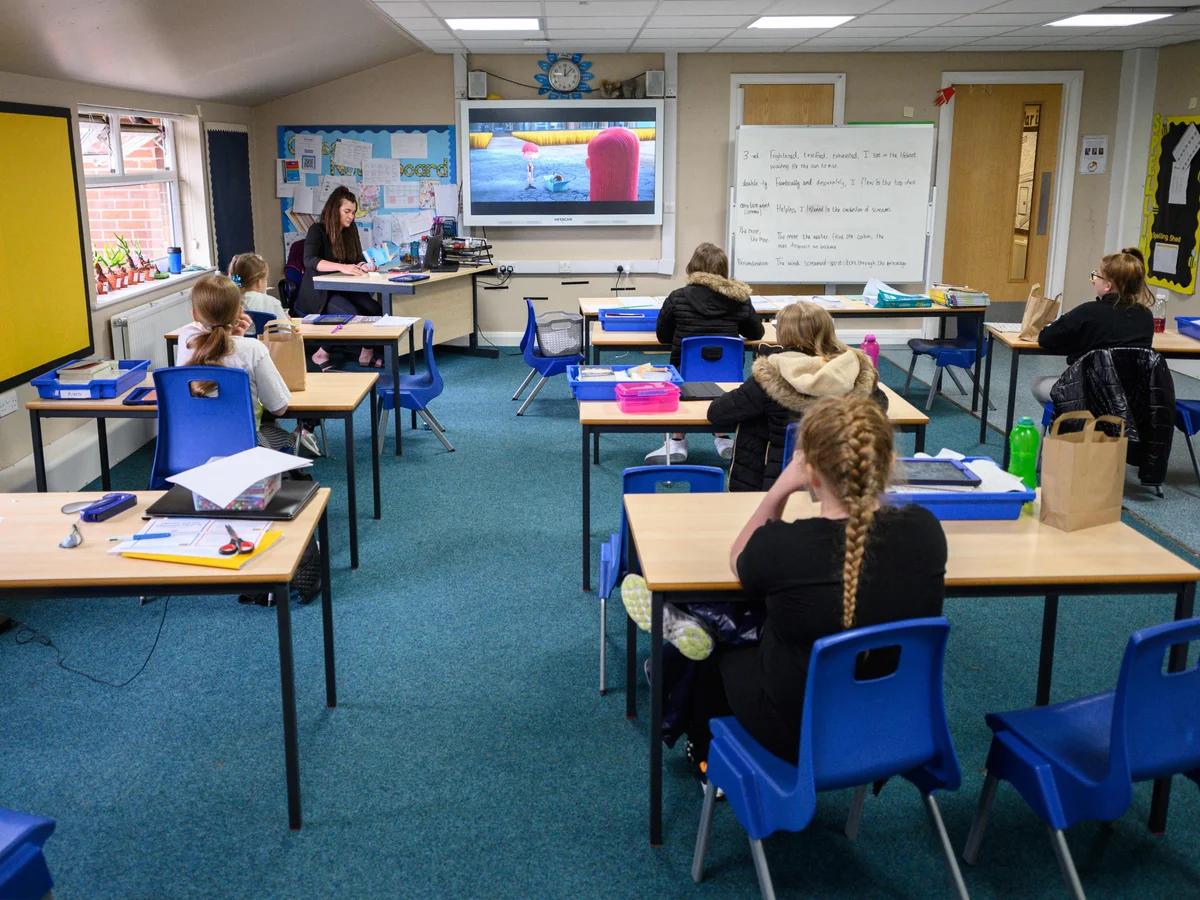
England’s dramatic 3-2 FIFA World Cup victory over Mexico appears to have triggered a sharp fall in school attendance across England, with early figures suggesting more than 330000 fewer pupils were in classrooms on Monday morning compared with the previous week.
Initial attendance data collected from more than 12000 state schools showed attendance stood at 89.79 percent on Monday, down from 93.09 percent a week earlier. When applied across England’s state school population, the figures suggest around 332000 fewer children attended school, excluding most Year 11 and Year 13 students who have already completed their exams.
The decline followed England’s thrilling victory over Mexico, a match that kicked off overnight after being delayed because of severe weather in Mexico City. The result sent the nation into celebration and fuelled calls from fans and even England manager Thomas Tuchel for families to enjoy the historic occasion. Tuchel jokingly suggested parents should “write an excuse for school and let them watch” after England secured the memorable win.
Data from Arbor Education, whose school management system is used by more than half of England’s state schools, showed unauthorised absences almost doubled from 2.92 percent the previous Monday to 5.61 percent. If reflected nationwide, this would represent roughly 193000 additional unauthorised absences.
The biggest drop in attendance was recorded among older pupils. Year 9 attendance fell by more than 10 percentage points, equivalent to around 66000 fewer students in school. Reception classes experienced only a modest decline of about 1.4 percentage points, representing approximately 7800 fewer children.
Education officials urged parents to ensure children attended school despite the excitement surrounding England’s World Cup campaign.
A spokesperson for the Department for Education said the tournament had united the country and that schools offered the ideal environment for children to celebrate together with classmates. The department praised schools that organised football themed activities, screenings and tournaments to allow pupils to share in the excitement while continuing their education.
Many schools adjusted their schedules to help families affected by the late night match. Some introduced flexible registration times, while others organised World Cup themed events to encourage attendance.
Annfield Plain Infant School in County Durham reported full attendance after extending morning registration until 10am. Pupils arrived to a football themed breakfast, watched highlights from England’s victory and took part in penalty shootouts organised by staff.
Headteacher Martin Urwin said the relaxed start had been a success and reinforced the school’s commitment to maintaining strong attendance while recognising the significance of the national occasion.
Hill Avenue Academy in Wolverhampton also delayed registration until 10am. Headteacher Daniel Steventon described an electric atmosphere, with children arriving at school singing “It’s Coming Home” and celebrating England’s success together.
He said the World Cup created a unique sense of national unity that extended into schools, adding that if England progressed further in the tournament, the school planned to continue the celebrations by playing music and holding activities in the playground.
Education experts have previously noted that major sporting events, particularly those involving England, often affect school and workplace attendance. Similar trends were recorded during previous World Cups and major football tournaments, with schools increasingly choosing to accommodate the excitement through themed activities rather than risk widespread absenteeism.
The Department for Education is expected to publish confirmed attendance figures after reviewing the provisional data, but the early statistics already point to one of the biggest single day attendance drops linked to a sporting event in recent years.


