


The International Monetary Fund (IMF) has reached a staff-level agreement with Senegal on a new $2.2 billion financing programme aimed at supporting the West African country’s economic and financial reforms.
The 36-month arrangement is designed to back Senegal’s economic reform programme for 2026–2029, but the agreement comes with tougher conditions following the discovery of previously unreported government debt.
The IMF said the new programme would require “decisive corrective measures” to address the misreporting of financial data and support Senegal’s request for a waiver related to the issue.
The agreement remains subject to approval by the IMF’s executive board.
The latest deal follows the suspension of a previous $1.8 billion IMF programme agreed in 2023 after Senegal’s new government uncovered significant discrepancies in the country’s reported finances.
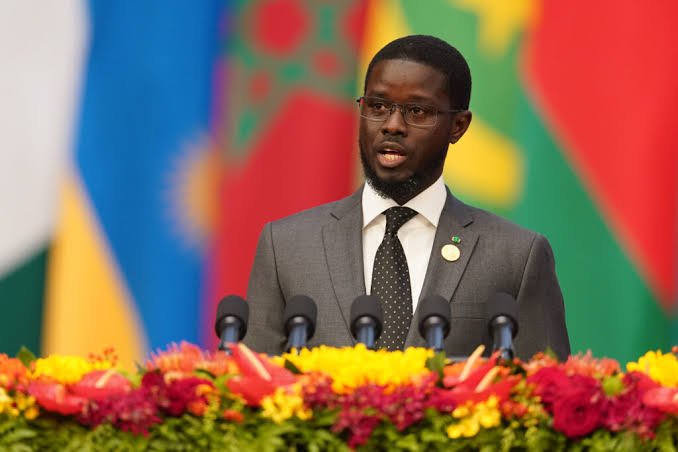
In 2024, President Bassirou Diomaye Faye’s administration accused the government of former President Macky Sall, who ruled from 2012 to 2024, of concealing the true scale of the country’s fiscal problems.
The IMF subsequently determined that Senegal’s budget deficit for 2023 stood at 12.3 per cent of gross domestic product (GDP), significantly higher than the 4.9 per cent previously reported by the former administration.
Following several IMF missions to assess Senegal’s financial position, negotiations on a new financing programme began in October.
Senegal remains one of the most heavily indebted countries in sub-Saharan Africa. The IMF estimated the country’s public-sector debt at 132 per cent of GDP at the end of 2024.
However, the country has made progress in reducing its fiscal deficit. According to the IMF, the overall deficit fell from 13.4 per cent of GDP in 2024 to 6.4 per cent in 2025, largely as a result of measures to rationalise government spending.
Despite its debt burden, Senegal has continued to raise funds through the regional bond market. However, ratings agency S&P has warned that such financing comes at a higher cost than borrowing from international financial institutions, development banks and governments.
The new IMF programme also comes amid political tensions within Senegal’s governing camp.
President Faye became embroiled in a dispute with his former prime minister, Ousmane Sonko, over several issues, including the country’s relationship with the IMF.
Faye dismissed Sonko as prime minister in May, but Sonko subsequently became speaker of the National Assembly, giving him significant political influence that could affect the implementation of the reforms required under the new IMF programme.
While Faye has favoured a more conciliatory approach towards the IMF, Sonko has opposed debt restructuring.
The financial challenges facing Senegal were underscored last week when Moody’s downgraded the country’s long-term foreign-currency debt rating to Caa2 from Caa1, citing concerns over its debt position.
The new IMF agreement is therefore expected to play a crucial role in restoring confidence in Senegal’s public finances, while placing pressure on the government to implement stricter fiscal reforms and improve transparency in its financial reporting.


