


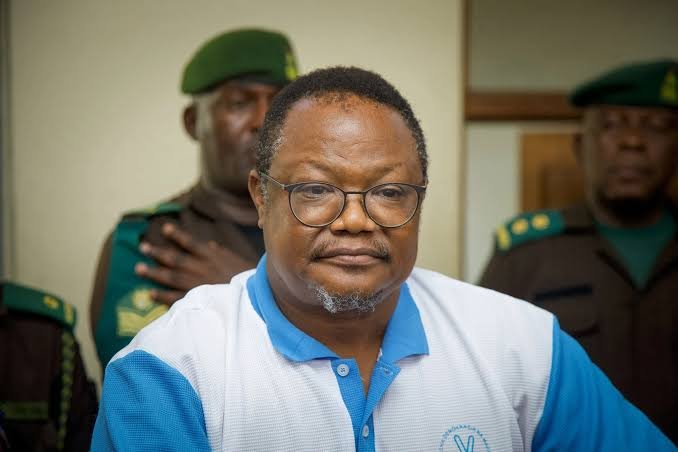
A Tanzanian court has ruled that opposition leader Tundu Lissu has a case to answer, paving the way for his treason trial to continue.
Lissu, leader of the opposition Chadema party, was arrested in April 2025 and charged with treason, an offence that carries a possible death sentence. Prosecutors accuse him of inciting the public to boycott last year’s elections.
The veteran opposition campaigner, who returned to Tanzania from exile in 2023, has been arrested several times over the years. He also survived an assassination attempt in 2017.
Security was tightened around the High Court on Friday as Lissu’s supporters gathered to hear the ruling, while several foreign diplomats attended the proceedings.
“The court rules that the prosecution established a case which the accused needs to answer,” Judge Dunstan Ndunguru said.
The decision was delivered by a three-judge panel after prosecutors presented evidence and called 17 witnesses to testify against Lissu.
Lissu, who is representing himself, told the court that he intended to call several senior government officials as defence witnesses, including President Samia Suluhu Hassan.
“I need to meet my lawyers and witnesses but they are not allowed to visit me in the prison,” Lissu said, urging the judges to intervene.
His supporters expressed disappointment with the ruling.
“I did not expect such a ruling which will continue keeping our leader in jail… but we are moving forward to the next stage,” Benitho Mwapinga, a Chadema youth leader, told AFP.
“I hope one day justice will be found,” said Mariam John, 65, who attended the proceedings wearing Chadema-branded clothing.
Lissu and his party had launched an electoral reform campaign ahead of last year’s elections under the slogan “No Reforms, No Elections”. The campaign preceded his arrest and treason charges.
Chadema has accused President Hassan, who was declared the winner of the election with 98 percent of the vote, of reviving repressive tactics associated with her predecessor, the late President John Magufuli.
Tanzania has faced international criticism over the deadly repression of protests surrounding the elections in November, with opposition groups and rights organisations alleging that thousands of people were killed by security forces.
The government has said more than 500 people died during the election-related unrest but has not attributed responsibility for the deaths.


