


United States President Donald Trump has paused military strikes on Iran for a second consecutive night to create room for diplomatic efforts, according to US Ambassador to the United Nations Mike Waltz.
Speaking during interviews on Fox News and NBC on Sunday, Waltz said the President was allowing negotiations time to progress while keeping all military options available. “He’s giving talks some space, he’s giving it a little bit of room,” Waltz said, adding that the administration had not ruled out further action if diplomacy failed.
On the Iranian side, an army spokesperson confirmed that Tehran had also suspended what it described as “retaliatory” attacks in the region, signaling a temporary easing of hostilities. The pause comes after nearly two weeks of daily US airstrikes and Iranian counterattacks, which effectively collapsed the ceasefire reached in June.
Waltz also dismissed reports suggesting the US military was running low on air defence munitions, insisting American forces had all the resources required to continue operations if necessary. Meanwhile, Iran and Oman held technical discussions in Tehran on Friday and Saturday focused on managing the Strait of Hormuz, a strategic waterway that remains central to ongoing tensions between Washington and Tehran.
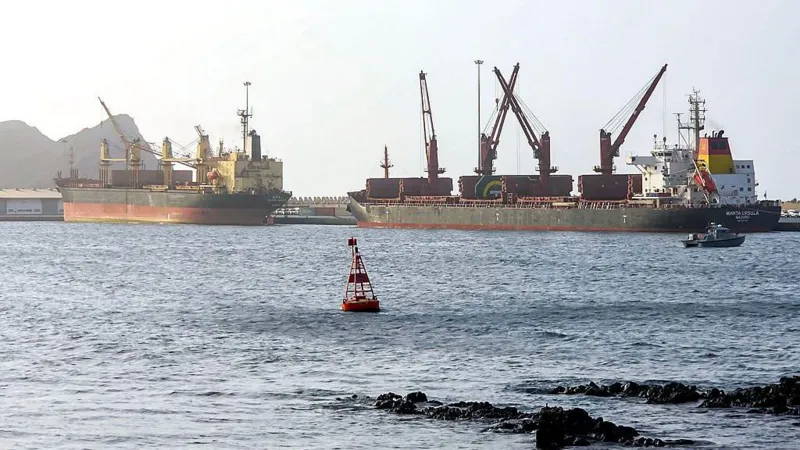
The dispute over the strait intensified after Iranian forces attacked oil tankers there on July 13, prompting the United States to resume airstrikes and reimpose a naval blockade on Iranian ports.
Iran responded with attacks on US military facilities across the Middle East, resulting in the deaths of four American soldiers, while Iranian authorities say dozens of people have been killed in the renewed US strikes.
In the United Kingdom, Defence Secretary Wes Streeting said he would meet with US Defence Secretary Pete Hegseth this week to discuss security in the Strait of Hormuz, emphasizing the importance of protecting international shipping through one of the world’s most critical energy routes.
The renewed conflict has also affected global markets, with oil prices climbing to $100 per barrel earlier this week amid concerns over energy supplies. Despite the ongoing military campaign, public support in the United States remains limited. A recent CBS/YouGov poll found that 57 percent of Americans are frustrated with the conflict, while only 19 percent expressed optimism about the situation.
President Trump is expected to meet Israeli Prime Minister Benjamin Netanyahu at the White House on Tuesday as efforts to address the regional crisis continue.


