


The United States has announced plans to restrict the United Arab Emirates (UAE) branches of Egypt’s Banque Misr from accessing the American financial system, citing the bank’s alleged ties to Iran.
The US Treasury Department announced the planned action on Friday as the administration of President Donald Trump intensifies efforts to squeeze Iran’s economy and isolate Tehran financially.
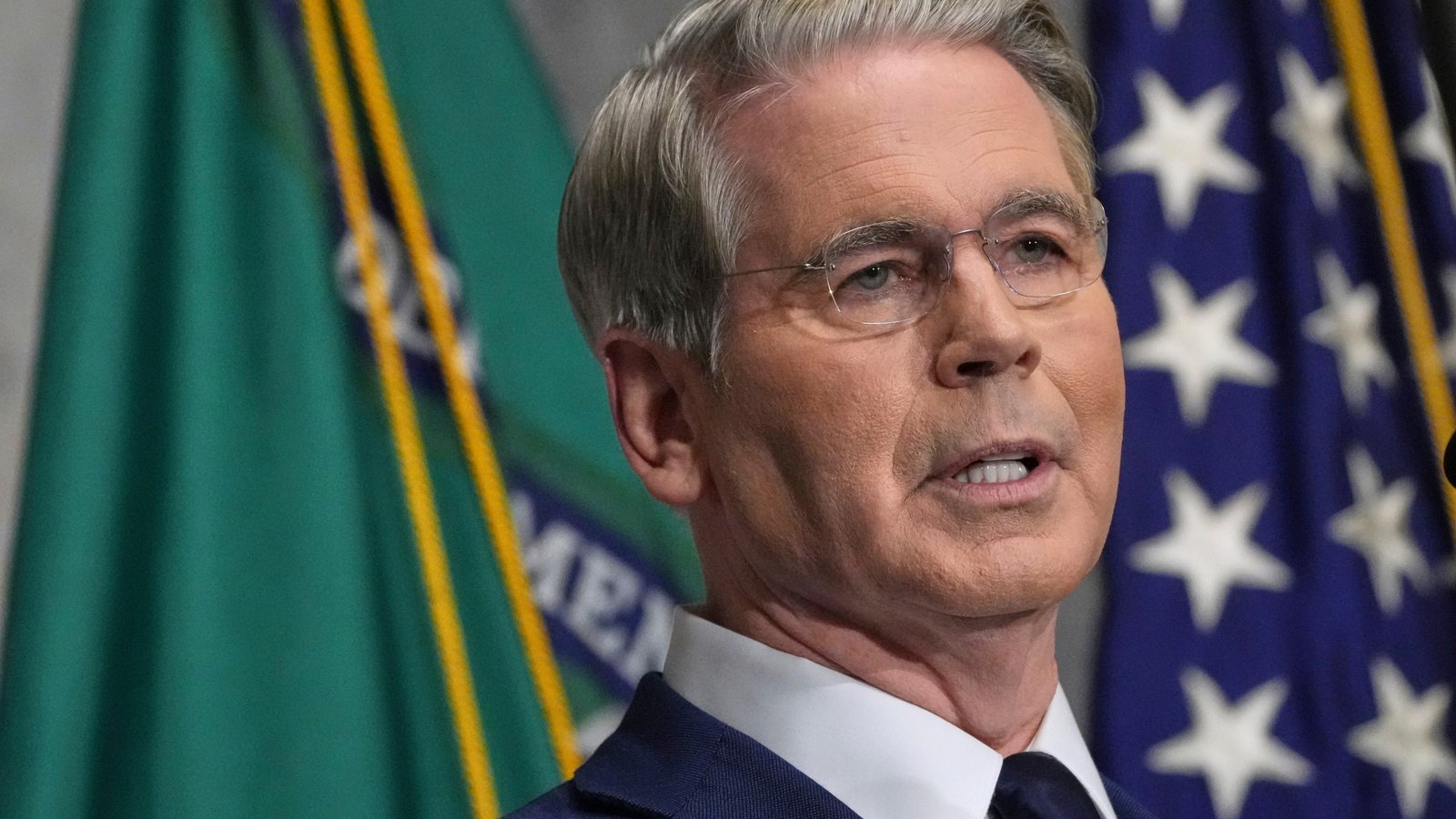
US Treasury Secretary Scott Bessent said the measures formed part of Washington’s campaign for what he described as the “economic asphyxiation” of Iran, accusing Banque Misr of providing “continued, egregious support of the Iranian regime.”
The restrictions will not take immediate effect. According to the Treasury, they will become effective after a month-long public comment period.
Egypt’s central bank confirmed that it was engaging with US authorities over the planned measures, while stressing that the action was narrowly targeted.
The Egyptian central bank said the US measures applied only to transactions involving Banque Misr’s UAE branches with US-dollar correspondent banks.
It added that the restrictions did not extend to other banks operating within Egypt’s banking sector.
The development comes amid escalating tensions in the Middle East following US-Israeli strikes against Iran and Tehran’s subsequent retaliation, including the disruption of much of the traffic through the Strait of Hormuz.
The strategic waterway is a major route for global energy shipments, and disruptions have contributed to a sharp rise in oil prices and heightened concerns over the wider economic consequences of the conflict.
Bessent has warned that Washington is pursuing what he called an “economic D-Day” against Iran and threatened consequences for countries and institutions that continue to maintain economic relations with Tehran.
The Treasury secretary also said President Trump had been contacting world leaders to encourage them to halt dealings with Iran.
Bessent is expected to personally raise the issue with his G20 counterparts during bilateral meetings next week, when finance ministers gather in Asheville, North Carolina.
However, Washington faces significant challenges in expanding the campaign to some of Iran’s largest economic partners, particularly China, which remains a major buyer of Iranian oil.
Before the latest conflict, Iran exported millions of barrels of oil daily, with the bulk of its crude shipments going to China.
Any move to impose broader financial or economic restrictions on Chinese institutions involved in Iranian trade could have wider implications for the global economy and further strain already sensitive relations between Washington and Beijing.
The measures could also complicate diplomatic engagements ahead of an expected visit by Chinese President Xi Jinping to Washington in September.


