


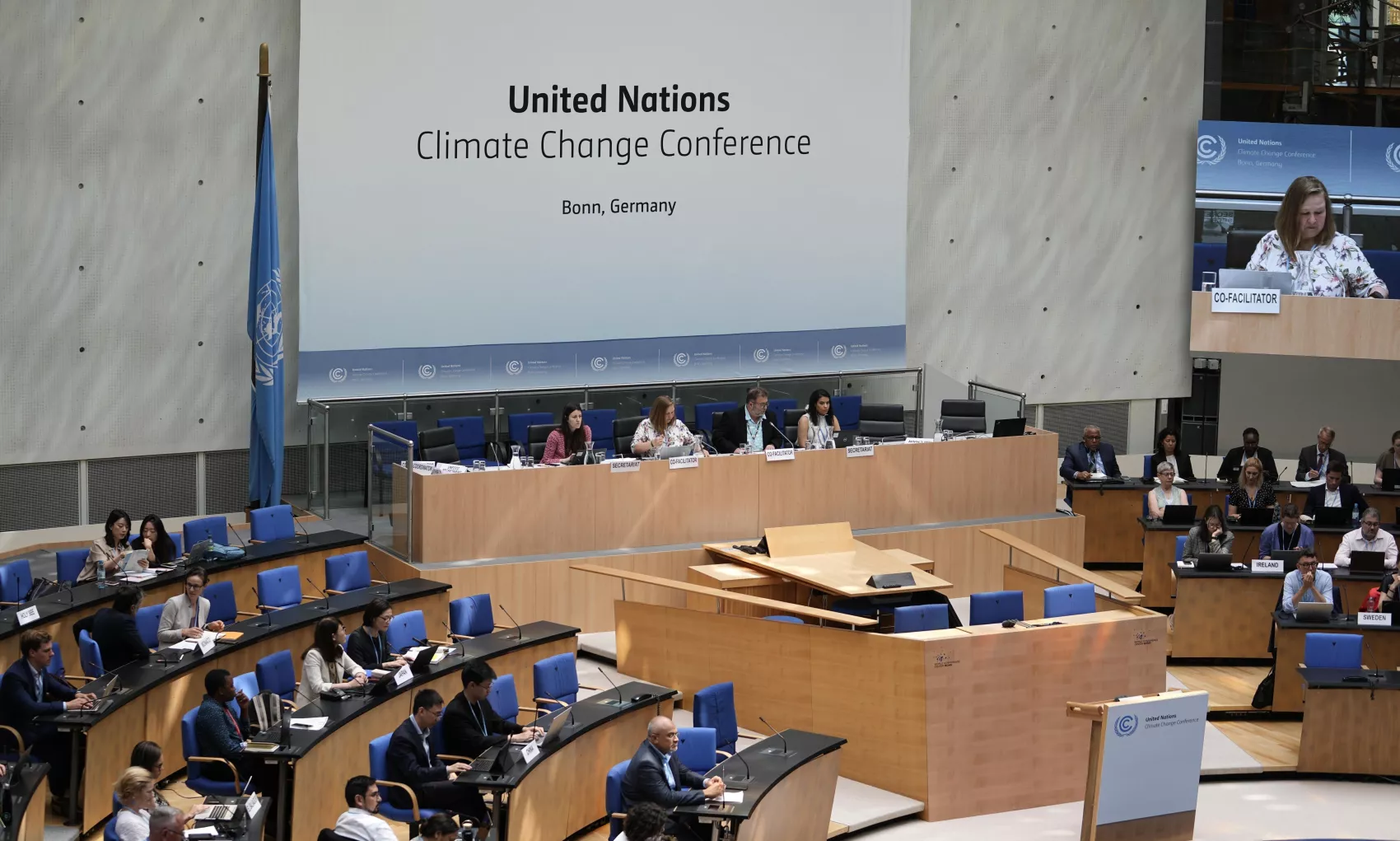
Countries on the frontline of the climate crisis are warning that visa obstacles are preventing their representatives from attending critical United Nations climate negotiations in Germany, raising concerns that some of the world’s most vulnerable nations could be excluded from decisions shaping future global climate policy.
Delegates from Sudan, Yemen, Sierra Leone, Senegal and The Gambia have reported significant difficulties obtaining visas for the Bonn Climate Change Conference, which runs from 8 to 18 June in Bonn, Germany. As a result, several countries are being forced to send smaller delegations or may struggle to participate fully in negotiations.
The Bonn conference, formally known as the UNFCCC Subsidiary Bodies meetings, is regarded as the most important climate gathering before the COP31 summit in Antalya, Turkey, later this year.
Nearly 200 countries are expected to attend discussions on climate finance, adaptation, emissions reduction and implementation of the Paris Agreement. Experts say outcomes from Bonn often shape the success of annual COP negotiations.
Sudan has been among the hardest hit by the visa challenges. Dalal Ebrahim, who heads Sudan’s climate adaptation department, said most members of the country’s delegation, including its chief negotiator, had either been denied visas or were unable to secure appointments at German embassies.
Yemen has reported similar difficulties. Marwah Aref Ahmed Saleh, Yemen’s lead negotiator on climate loss and damage, said she had twice applied for a German visa with sponsorship support from the International Institute for Environment and Development but was still unable to obtain approval despite completing all required procedures.
She noted that Yemenis must often travel to third countries such as Jordan or Ethiopia simply to submit visa applications, adding significant costs and logistical challenges.
Climate advocacy groups and development organisations have increasingly warned that travel restrictions and visa delays are undermining equitable participation in international climate diplomacy. The concern comes as developing countries continue to push for greater climate finance and compensation for climate related losses, issues expected to dominate discussions in Bonn.
German authorities have defended the visa process, saying they recognise the importance of participation by countries most affected by climate change but must apply Schengen visa rules in accordance with European law.
The controversy has renewed criticism of a climate negotiation system in which nations least responsible for global emissions often face the greatest barriers to participating in decisions that directly affect their future. For countries already battling droughts, floods, conflict and economic hardship, reduced representation in Bonn could weaken their influence at a time when the stakes for climate action have never been higher.


