


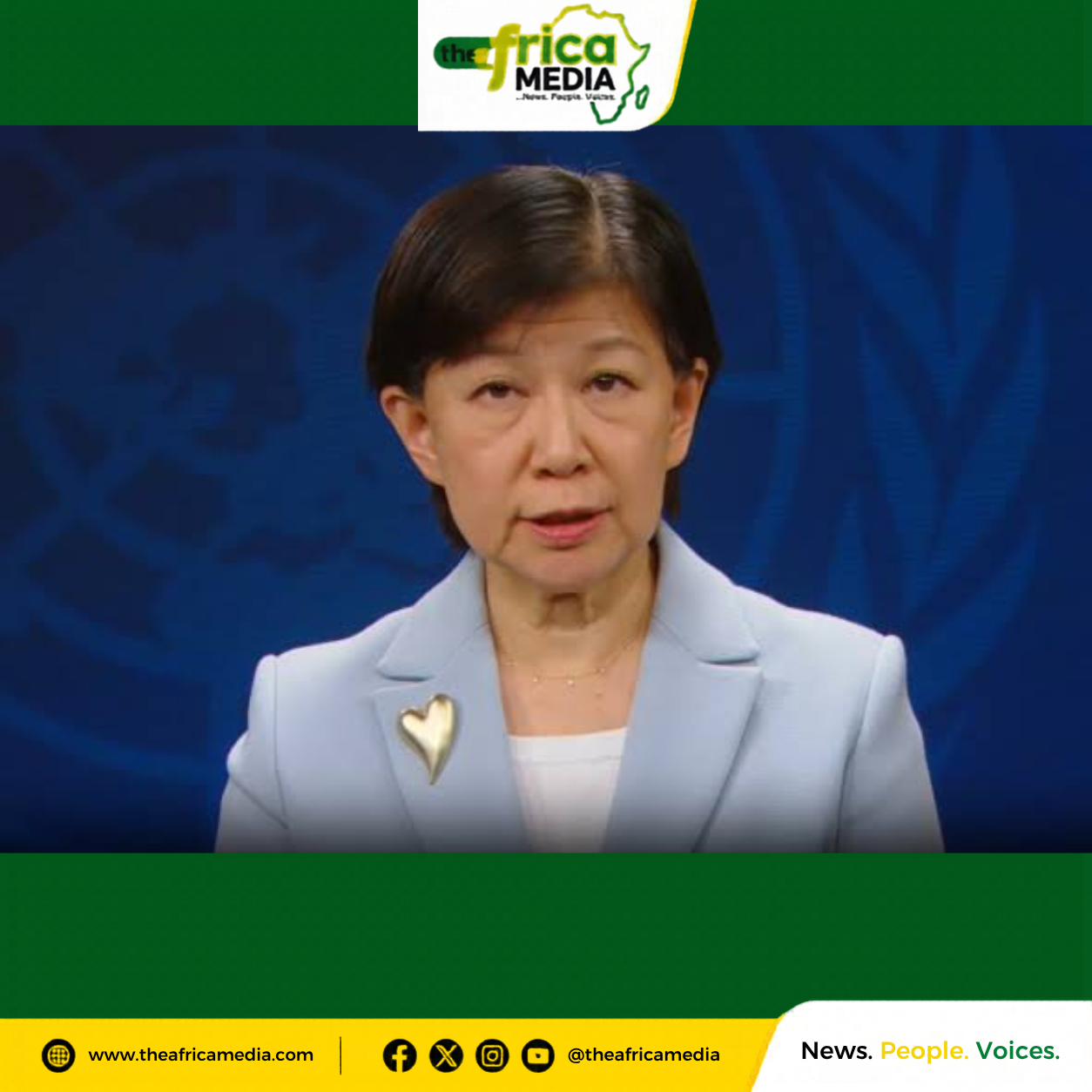
The United Nations has disclosed that weapons looted during the 2011 conflict in Libya eventually made their way into the hands of terrorist and extremist groups operating across parts of West Africa, including Nigeria.
The revelation was made by the UN Under-Secretary-General and High Representative for Disarmament Affairs, Izumi Nakamitsu, during a discussion at the United Nations Headquarters in New York on the global impact of illicit arms trafficking.
Speaking to delegates, Nakamitsu warned that weapons stolen, diverted, or left unsecured during armed conflicts often continue to fuel violence long after wars have ended. According to her, such weapons frequently cross borders and contribute to terrorism, organised crime, and regional instability.
She cited the aftermath of the 2011 Libyan uprising, which led to the overthrow of former Libyan leader Muammar Gaddafi, as a key example.
“Weapons looted or diverted during and after the 2011 conflict in Libya later surfaced across the wider Sahel region, including Niger, Burkina Faso, and Nigeria,” Nakamitsu said.
She noted that several of the recovered weapons were traced to extremist groups operating in the region, highlighting how conflicts can have long-term security consequences beyond their original locations.
“Some of these weapons were later found in the possession of extremist groups, demonstrating how arms from one conflict can continue to destabilise neighbouring countries years after the fighting has ended,” she added.
Nakamitsu stressed that the continued circulation of illicit firearms remains a major obstacle to peacebuilding efforts, particularly in fragile and conflict-affected regions.
According to her, weapons retained by armed groups, militias, and even communities seeking self-defence often contribute to recurring cycles of violence and insecurity.
She further explained that the spread of small arms and light weapons is linked not only to terrorism and organised crime but also to human rights abuses and gender-based violence.
“This is not only a security issue. It is also a peacebuilding, development and human rights issue,” she said.
The UN official warned that weapons used during conflicts often remain outside government control after wars end, allowing them to be hidden, trafficked across borders, and used in criminal activities.
“Wars may end, but the weapons used during those conflicts often remain in circulation. They are hidden, moved across borders and continue to cause harm long after the fighting stops,” Nakamitsu stated.
She also raised concerns about emerging challenges in combating illegal arms trafficking, including the growing use of ghost guns, 3D-printed firearms, and increasingly sophisticated smuggling methods.
According to her, these developments are making it more difficult for law enforcement agencies to trace and intercept illicit weapons.
The United Nations has repeatedly warned about the proliferation of small arms and light weapons in the Sahel region, noting that their continued circulation fuels terrorism, armed conflict, organised crime, and political instability across several African countries.


