



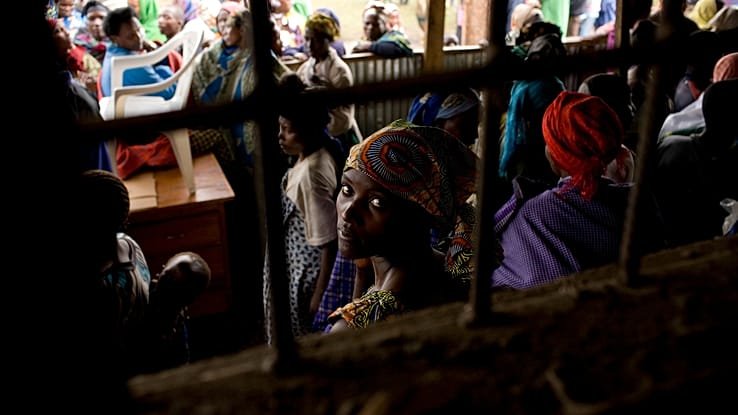
The United Nations World Food Programme (WFP) is seeking more than $30 million in urgent funding to sustain food assistance for Congolese refugees in Burundi, warning that supplies could run out as early as October 2026 without additional financial support.
The agency said it faced difficulties maintaining food and nutrition assistance for refugees through August 2027, although contributions from donors, supported by the Burundian government, had helped avert an immediate interruption in aid.
Jean de Lestrange, a WFP partnerships and communications officer, said the additional funding secured so far would allow the agency to continue providing assistance for only a few more months.
The WFP estimates that it requires about $5 million monthly to support Congolese refugees across Burundi, including approximately $1 million for those living in Busuma camp in the eastern part of the country.
Refugees currently receive about 38,000 Burundian francs, equivalent to approximately $12 per person each month, to help meet their basic needs.
However, some beneficiaries say the assistance is insufficient to cover their daily expenses amid difficult living conditions.
Nayonde Mbirizi, a 40-year-old Congolese refugee, said the support was inadequate, adding that strong winds and deteriorating tents had worsened the hardship faced by residents.
The humanitarian situation has attracted the attention of international partners, with a delegation from the European Union, Switzerland and the European Civil Protection and Humanitarian Aid Operations (ECHO) visiting Busuma camp to assess conditions and the needs of refugees.
According to the United Nations High Commissioner for Refugees (UNHCR), 22,463 refugees have already returned to the Democratic Republic of Congo (DRC).
Busuma camp, established in December 2025 to accommodate people fleeing conflict in eastern DRC, currently hosts approximately 33,000 Congolese refugees.
The WFP’s funding appeal highlights the continuing pressure on humanitarian agencies to provide food and other essential assistance to displaced populations, as funding shortages threaten the continuity of relief operations.
Without additional contributions, thousands of refugees in Burundi could face further food insecurity and worsening living conditions in the coming months.


 is seeking more than $30 million in urgent funding to sustain food assistance for Congolese)