



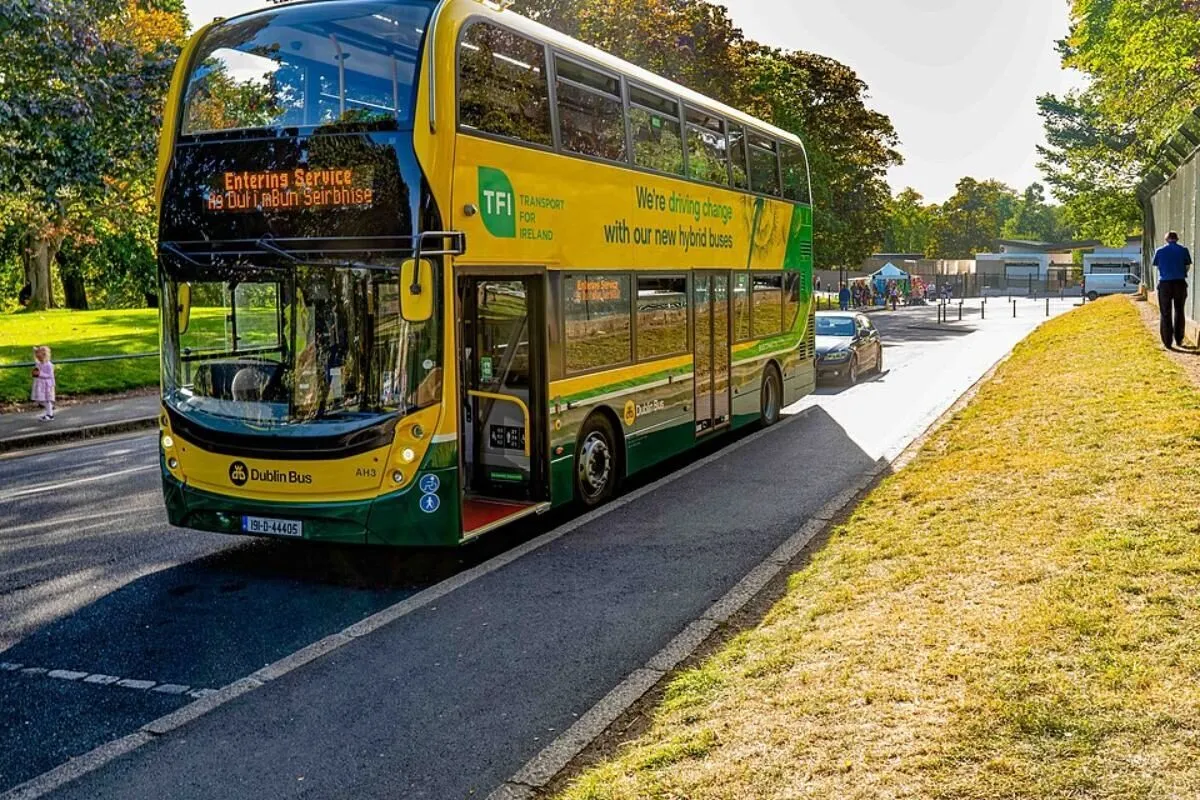
Dublin Bus has recruited almost 100 bus drivers from South Africa as the public transport operator steps up efforts to tackle a persistent shortage of drivers and keep pace with expanding services across the capital.
The company’s first recruitment campaign in South Africa has so far resulted in 93 drivers being hired, according to Dublin Bus chief people officer Barbara Carroll. The recruits are being brought to Ireland at a rate of around six a week as they complete the necessary immigration, licensing and training requirements.
The international recruitment drive comes as Dublin Bus continues to deal with staff turnover while also needing additional drivers to support its growing network. The company says it expects to continue recruiting at a rate of about 200 drivers a year for the foreseeable future.
Dublin Bus currently employs about 4,500 people from 96 countries, including around 3,400 drivers. The company operates more than 1,100 buses across the Greater Dublin Area and carried more than 165 million passengers in 2025.
South Africa was chosen for the recruitment campaign for several reasons. The country has a strong pool of experienced bus drivers, English is widely spoken and, importantly, there is a licence exchange arrangement that makes it easier for appropriately qualified drivers to transfer their credentials to Ireland.
Carroll said the South African recruits already hold the necessary licences to drive buses, meaning they arrive with considerably more experience than many applicants who enter Dublin Bus with only a standard car licence.
“There is certain paperwork they need to do when they’re on the island of Ireland, get their Irish residence permit, complete their licence exchange,” she said.
The drivers are being vetted before travelling to Ireland and then undertake Dublin Bus training once they arrive.
Despite already having professional bus driving experience, the overseas recruits receive additional training and support. Dublin Bus says its training programme includes mentoring and ongoing development, while drivers with an existing D licence normally require a shorter training period than those entering with a standard car licence.
The company is also providing the newly arrived drivers with accommodation for their first four weeks in Ireland.
However, Carroll acknowledged that settling into life in a new country can be difficult once that initial accommodation period ends.
“After that they’re on their own,” she said, describing the transition as challenging for drivers who are also completing training and initially receiving a training rate.
The recruitment effort is part of a much wider attempt by Dublin Bus to attract people into the profession. In recent weeks, the company has also launched a campaign aimed at increasing the number of female drivers, offering part-time positions to make the job more accessible to people with family, study or other commitments.
Only about 8% of Dublin Bus drivers are currently women, with the company hoping that greater flexibility will encourage more applicants. Part-time drivers can work a minimum of two days a week, while the advertised rate is currently €22.90 an hour.
Full-time recruitment is continuing alongside the international campaign. Dublin Bus currently advertises a starting weekly salary of €893.06 for a five-day week, including shift and Sunday premiums, rising to €1,034.03 on the six-year pay scale. Employees can also access pension arrangements, subsidised medical support, travel benefits and other workplace schemes.
The push to recruit more drivers comes against a backdrop of continuing pressure on public transport services in Dublin. Driver availability has previously been identified as one factor affecting the ability of operators to maintain services while demand for public transport remains high.
Dublin Bus has also faced wider challenges in attracting and retaining staff. Drivers have spoken publicly in recent years about the pressures of the job, including difficult working conditions and incidents of anti-social behaviour on the network. The company has introduced measures aimed at improving safety, including a security pilot designed to provide additional support to drivers and passengers.
For the South African recruits, however, the move represents an opportunity to begin a new career in Ireland while helping to address a shortage that Dublin Bus says is not unique to the company.
Carroll said the shortage of drivers is a national issue and indicated that international recruitment will remain part of the company’s strategy.
With around 200 drivers expected to be recruited each year, Dublin Bus is likely to continue looking beyond Ireland’s borders as it seeks to maintain staffing levels and support the continued expansion of its services.


