



Burundi has agreed to accept people deported by the United States to countries other than their own, becoming the latest African nation to participate in Washington’s expanded third-country deportation policy.
The announcement came hours after the US Supreme Court ruled that third-country deportations could continue while it considers a formal challenge to the policy.
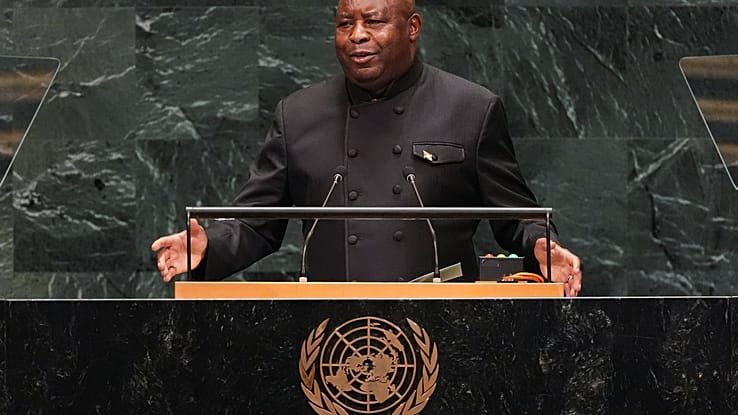
A spokesperson for Burundi’s presidency, Nancy Ninette Mutoni, said government officials would have heard President Évariste Ndayishimiye announce the decision in an interview with French television network France 24.
Mutoni said Burundi’s agreement would apply only to people who are not facing criminal prosecution and have no links to terrorism.
She said preparations were underway to accommodate the deportees and support their integration into local communities, stressing that the process would require careful planning.
However, Mutoni did not disclose how many people Burundi had agreed to receive or when the deportees would arrive.
She said Burundi had “long-welcomed people facing hardship” and described the arrangement as part of the country’s broader efforts to strengthen international cooperation.
“This will also strengthen cooperation with other countries. People need one another, and Burundi attaches great importance to peace and good relations,” Mutoni said.
The administration of US President Donald Trump has expanded the use of third-country deportations as part of its immigration enforcement campaign.
US authorities have defended the policy as necessary in cases where migrants’ countries of origin refuse to accept them.
However, the policy has faced criticism from international human rights experts.
A report by United Nations experts warned that deporting migrants to countries with which they have no connection could expose them to serious risks, including potentially fatal consequences, and called for the practice to be halted.


