



Sickle cell disease remains a major public health challenge in Uganda, with nearly 20,000 babies estimated to be born with the inherited blood disorder every year.
The condition can cause severe pain, anaemia and other serious complications, while many affected children in Africa die before the age of five because they are diagnosed too late.
However, increased access to diagnosis and treatment in Uganda is offering fresh hope to families, while advances in gene therapy are raising the prospect of a long-term cure.
For Irene Nalukwago, accessing treatment for her daughter has been a difficult 12-year journey.
Her daughter was born healthy at a hospital in Kayunga, east of Kampala, but began falling ill and developing anaemia at six months.
Nalukwago said the child required blood transfusions almost every week and suffered severe pain before doctors suspected an underlying condition.
Tests eventually confirmed sickle cell disease.
Now 12, the girl has suffered repeated complications from the genetic disorder, including paralysis on the left side of her body.
“She became paralysed on the left side of her body; I just had to carry her,” Nalukwago said.
Cases like hers have highlighted the importance of early diagnosis and treatment. Uganda has expanded mandatory newborn screening for sickle cell disease across the country to identify affected children earlier.
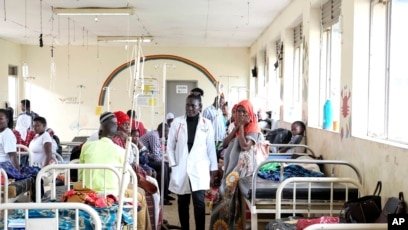
At Kayunga Referral Hospital, children diagnosed with the condition are also being placed on hydroxyurea from an early age.
“All our children are started on hydroxyurea as early as nine months,” said Dr Isaac Tumusiime, a medical officer at the hospital.
Hydroxyurea is an oral medicine that can reduce painful episodes and the need for blood transfusions.
“There is continuous supply so there is good adherence to the treatment as well, so most of the children have managed to survive through this setup,” Tumusiime said.
Health professionals say early diagnosis and consistent medical care are crucial in managing sickle cell disease and preventing potentially life-threatening complications, including strokes.
Patients at the Kayunga clinic are encouraged to attend regular check-ups so doctors can monitor their condition and identify complications early.
Medical workers say routine monitoring can also help reduce pressure on health facilities by allowing problems to be addressed before they become severe, while improving patients’ chances of living longer and healthier lives.
Meanwhile, advances in medical science have raised hopes of a potential cure.
Gene therapy treatments capable of significantly reducing or potentially eliminating the effects of sickle cell disease have been introduced in some countries, although the treatment remains largely inaccessible to patients in Uganda and many other African countries because of its high cost.
Tumusiime said doctors continue to encourage parents to keep their children on hydroxyurea while hoping that gene therapy will eventually become affordable.
For now, early screening, timely treatment and regular monitoring remain the main tools available to protect thousands of Ugandan children living with the disease.


