



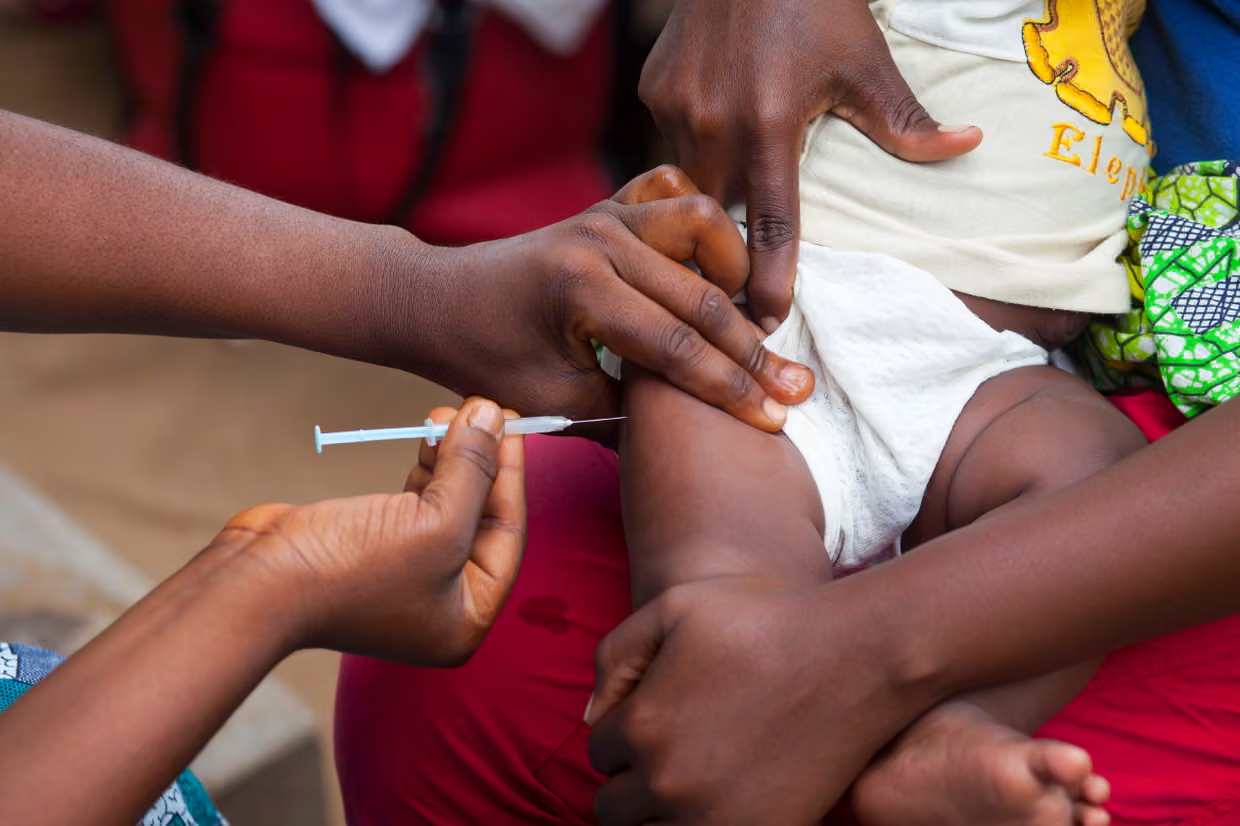
A controversial research trial involving 14,000 newborns in Guinea-Bissau, in which half of the babies will not receive the hepatitis B vaccine at birth, has received fresh ethical approval, reigniting an international debate over medical research, child protection and the treatment of vulnerable African populations.
The study, led by Danish researchers and backed by funding from the United States, has drawn criticism from global health experts who argue that withholding a proven vaccine could expose newborns to preventable infections and lifelong health complications.
The University of Southern Denmark approved the revised protocol following months of controversy, while Guinea-Bissau’s health authorities have also approved the study at the ethics review level. However, reports indicate that final governmental authorisation remains a separate requirement before the trial can begin.
The controversy has attracted particular attention because of its association with Robert F Kennedy Jr, the United States Secretary of Health and Human Services, who has long questioned established vaccine policies. The US Centers for Disease Control and Prevention has reportedly allocated $1.6 million to support the research, with additional funding expected from private foundations.
Under the proposed arrangement, half of the participating infants will receive the hepatitis B vaccine shortly after birth, while the other half will receive it at six weeks, reflecting the existing standard of care in Guinea Bissau.
Researchers say the study aims to investigate whether the timing of vaccination affects broader health outcomes. However, critics question whether the research is scientifically justified when the vaccine’s protective benefits are already well established.
The World Health Organization has strongly opposed the proposed design, warning that withholding the birth dose could expose infants to serious harm, including chronic hepatitis B infection, liver cirrhosis and cancer. The agency recommends that all babies receive the vaccine as soon as possible after birth.
Guinea-Bissau presents particular concerns because hepatitis B is widespread, with estimates suggesting that more than one in eight adults lives with chronic infection. The virus can pass from mother to child during childbirth and through other routes of exposure.
The revised protocol reportedly requires pregnant women to be tested for hepatitis B, with babies whose mothers test positive excluded from the trial and vaccinated at birth. Critics argue that false negative results and transmission within households could still leave some newborns vulnerable.
Opposition has also emerged within the Danish ethics review process. Several committee members have resigned, citing concerns about exposing infants to avoidable risks.
The researchers maintain that the study follows the country’s existing vaccination policy and has undergone ethical review. Nevertheless, the dispute raises fundamental questions about informed consent, scientific necessity and whether vulnerable populations should bear risks that researchers would struggle to justify elsewhere.


