



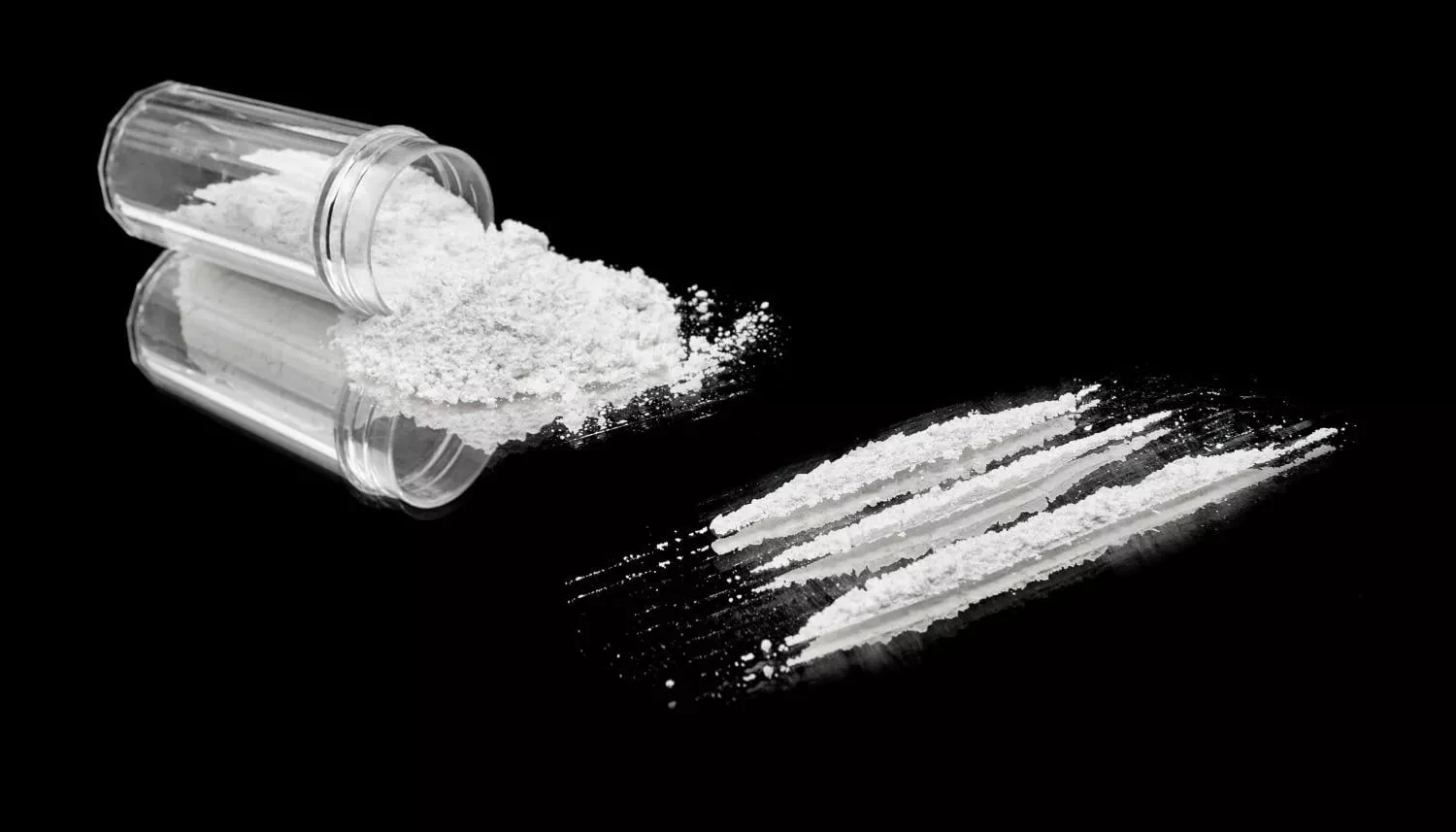
Cocaine has overtaken heroin as the substance most frequently involved in drug related deaths in England and Wales, according to figures released by the United Kingdom’s Office for National Statistics (ONS), raising fresh concerns about the growing use of the Class A drug and its devastating consequences for public health.
No fewer than 1,233 deaths involving cocaine were registered in 2025, narrowly exceeding the 1,210 deaths associated with heroin or morphine during the same period. The development marks the first time since records began in 1993 that cocaine has overtaken heroin or morphine as the most frequently mentioned individual substance in drug poisoning deaths.
Although the overall number of drug related deaths fell slightly last year, health campaigners and charities have warned that the figures should not be interpreted as evidence that Britain is winning its battle against substance misuse.
The ONS recorded 5,519 deaths related to drug poisoning in England and Wales in 2025, representing a decrease of 46 from the 5,565 registered in 2024. The mortality rate also declined from 93.9 to 92.4 deaths per million people, marking the first annual reduction since 2012.
However, the marginal improvement offers little comfort against the wider picture. Drug related mortality remains historically high, while the number of deaths involving cocaine has increased dramatically over the past decade.
The latest figures show that cocaine was mentioned in approximately 22 per cent of all registered drug poisoning deaths in 2025. Its involvement in fatalities has increased more than eightfold since 2010, when 144 deaths were recorded.
The statistics cover deaths involving cocaine in different forms, including powder cocaine and crack cocaine, as well as cases where the substance was injected. They do not necessarily mean cocaine was the only substance involved in every death.
Niamh Eastwood, executive director of Release, the national centre of expertise on drugs and drug laws, attributed the rising death toll to failures in drug policy both in Britain and internationally. She argued that increasing cocaine production and availability had made the substance more accessible, while existing approaches had failed to provide sufficient practical support for people who use it.
Mike Trace, chief executive of the Forward Trust, also warned that increased production in South America, falling prices and rising purity had created conditions in which cocaine consumption could become more dangerous.
The North East of England recorded the highest drug poisoning mortality rate among English regions in 2025, with 135.2 deaths per million people. London recorded the lowest rate at 58.3 deaths per million.
Although the North East figure represented a substantial improvement from 167.6 deaths per million in 2024, the region continued to carry the highest mortality burden.
Beyond cocaine, the figures also reveal growing concerns about other substances. Ketamine was mentioned in 115 drug poisoning deaths in 2025, compared with 27 in 2020 and just seven in 2015.
The increase underlines the changing nature of Britain’s drug market and the need for public health authorities to monitor emerging patterns of consumption.
Meanwhile, heroin and morphine remained significant contributors to drug poisoning deaths, despite being overtaken by cocaine as the most frequently mentioned individual substance. Opiates and opioids collectively were involved in 2,324 deaths, demonstrating that the country’s longstanding opioid problem has not disappeared.


