



A Nigerian doctor who secured employment at a National Health Service (NHS) hospital in the United Kingdom after submitting a CV containing more than 20 false claims has been struck off the country’s medical register.
Dr Tochukwu Akah admitted fabricating several aspects of his academic and professional background, including falsely claiming to have worked as a chief medical officer in Nigeria, according to the Medical Practitioners Tribunals Service (MPTS).
The tribunal heard that Akah made extensive false representations about his qualifications, professional experience, academic achievements and medical publications to secure employment at Hampshire Hospitals NHS Foundation Trust.
He was employed by the trust as a clinical fellow in haematology, a medical specialty concerned with blood and blood-related disorders.
Among the claims contained in his application was that he had received awards for being the best student in internal medicine and obtaining a distinction in pathology at Nnamdi Azikiwe University, Nigeria.
Akah also claimed to have served as the chief medical officer in the emergency department in Nigeria, presenting himself as a doctor with considerable clinical and leadership experience.
However, investigations established that the claims were untrue.
The tribunal further found that he falsely claimed to have published research on sickle cell disease, a genetic blood disorder that affects millions of people, particularly in sub-Saharan Africa.
He also represented himself as having independently performed specialised medical procedures, including stem cell transplants, bone marrow biopsies, exchange blood transfusions and arterial blood gas procedures.
The extent of the false representations also covered the number of routine medical procedures he claimed to have performed independently. According to the tribunal’s findings, Akah claimed to have carried out 56,700 intravenous cannulation procedures, 45,680 venous blood sampling procedures and 54,450 blood transfusions.
He also claimed to have made six medical presentations between 2020 and 2022, published an article titled The Menace of Sickle Cell Disease in Sub-Saharan Africa in the Medizik Journal in January 2022 and supervised a team responsible for administering COVID-19 vaccinations.
However, he admitted that he had neither published the research article nor made the presentations. He also acknowledged that he had not supervised the vaccination team or received the academic awards listed in his application.
These claims were among more than 20 false statements he admitted making in his application and professional records.
The MPTS described the conduct as a “wholesale fabrication” of his academic and professional achievements, saying the false information was deliberately presented to satisfy the requirements for the hospital appointment.
The tribunal also found that Akah falsely claimed to have completed Advanced Cardiac Life Support, Basic Life Support and Advanced Life Support training organised by Resuscitation Council UK in 2024.
The issue became particularly serious when he failed the practical component of an Advanced Life Support course. The course provider subsequently contacted his educational supervisor and informed the supervisor that Akah was considered unsafe to practise as a doctor.
The tribunal heard that patients under his care required life-support assistance which he did not have the necessary skills to provide safely.
During the proceedings, barrister Jade Bucklow, representing the General Medical Council (GMC), said it was fortunate that no patient had suffered harm while Akah was employed at the hospital.
“It is simply fortuitous that we do not have a case of patient harm within this allegation,” she told the hearing.
The panel concluded that although there was no evidence that any patient had actually been harmed, his conduct exposed patients to significant risk.
It consequently ordered his removal from the medical register, effectively ending his eligibility to practise as a registered doctor in the UK.
The tribunal’s determination followed proceedings held between October 19 and 28, 2026. Akah admitted the allegations against him through his legal representative, and the panel found his fitness to practise impaired by reason of misconduct.
In considering the appropriate sanction, the tribunal examined the seriousness of the dishonesty, the potential consequences for patients and whether Akah had demonstrated sufficient understanding of the risks created by his actions.
His defence argued that he had accepted responsibility, expressed remorse and undertaken ethics and integrity training. His representative also urged the tribunal to consider suspension rather than permanent removal from the register, arguing that he deserved an opportunity to demonstrate that he had learnt from the experience.
However, the panel was not persuaded that the steps taken were sufficient to address the concerns.
It found that Akah had demonstrated limited insight into the seriousness of his conduct and had not adequately reflected on how his false representations could have endangered patients.
The tribunal also expressed concern that he had not fully appreciated the impact of his actions on public confidence in the medical profession.
It consequently concluded that suspension would not adequately address the continuing risks and that removal from the register was the appropriate and proportionate sanction.
Bucklow also told the tribunal that Akah was no longer working in the United Kingdom or for any NHS trust.
The case raised concerns about the integrity of professional credentials presented by medical practitioners seeking employment in the British healthcare system, particularly where applicants claim experience in specialised clinical procedures.
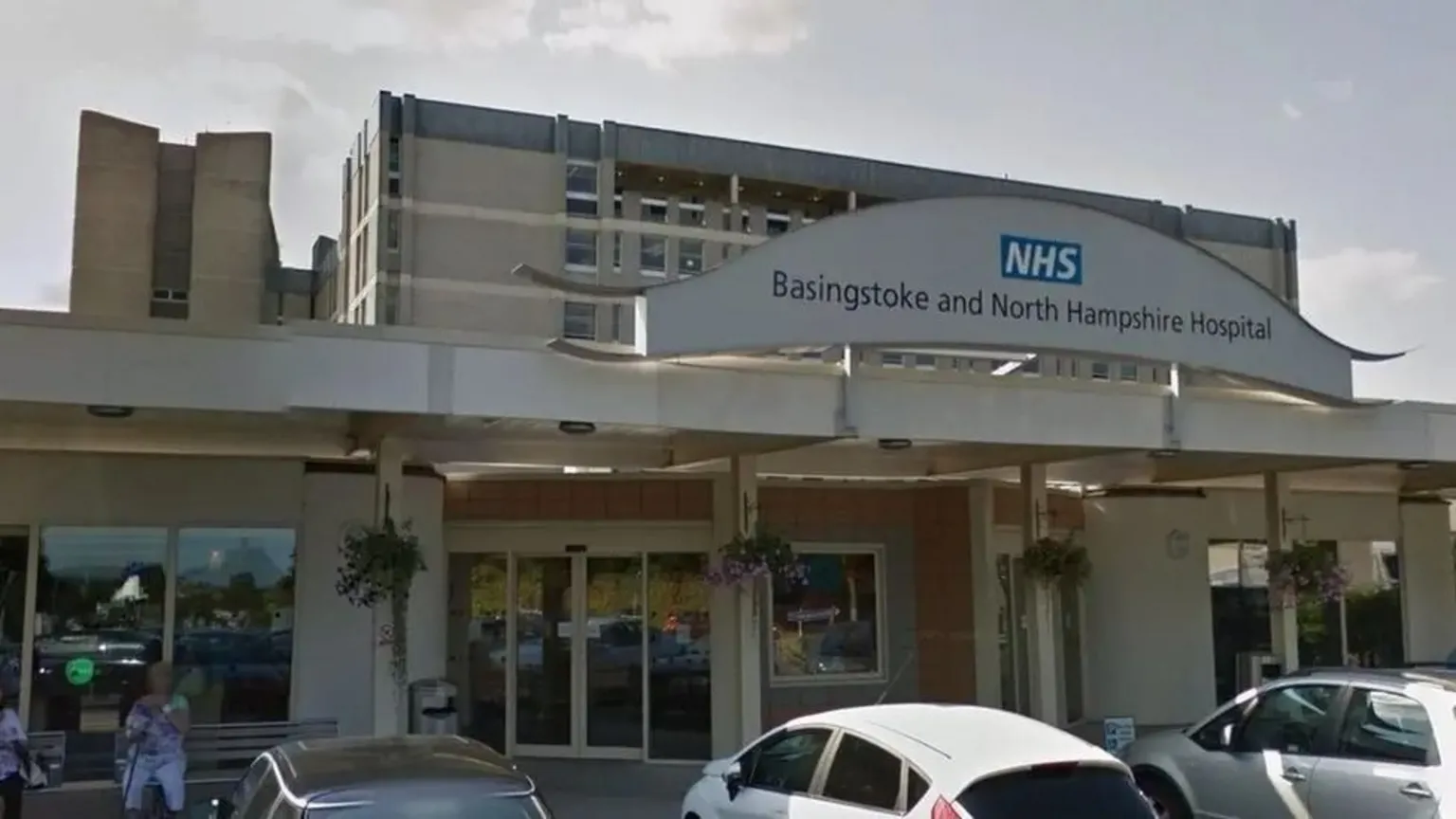
Hampshire Hospitals NHS Foundation Trust, which employed Akah from September 2024, operates major hospitals in Basingstoke and Winchester.
He was dismissed after colleagues raised concerns about his professional background and clinical practice, prompting the hospital to investigate the issues.
The tribunal’s record showed that concerns were raised by medical colleagues and nurses about his practice. During an internal investigation, Akah admitted falsifying several details in his application.
Following the internal investigation and formal employment process, the trust reported him to the General Medical Council on May 1, 2025.
The referral led to the disciplinary proceedings before the MPTS, the independent tribunal service responsible for adjudicating cases involving doctors referred by the GMC.
Responding to an inquiry by the BBC about its recruitment and vetting procedures, a spokesperson for Hampshire Hospitals NHS Foundation Trust said patient safety remained its priority.
“Patient safety is always our priority. As soon as concerns were raised, measures were put in place to keep patients safe whilst matters were investigated in line with policy.
“Following a formal HR process, Dr Akah was dismissed from Hampshire Hospitals,” the spokesperson said.
The GMC maintains the medical register of doctors licensed to practise in the UK and investigates concerns about their conduct, professional performance and fitness to practise.
The MPTS operates independently in determining whether doctors referred by the GMC remain fit to practise. Depending on the seriousness of a case, doctors can face sanctions ranging from conditions on their practice and suspension to removal from the register.
Akah’s removal means he can no longer practise as a registered doctor in the UK unless he successfully secures restoration to the medical register through the applicable regulatory process.
The case also draws attention to the importance of verifying academic qualifications, professional references and clinical experience during international medical recruitment, particularly for positions involving specialised procedures and direct patient care.
The NHS has established employment checks covering professional registration, academic qualifications, employment history, references, identity and other relevant requirements. The standards are intended to ensure that prospective employees possess the qualifications and competence required for their positions.
Under the professional registration and qualification checks, employers are expected to verify relevant qualifications and confirm that healthcare professionals are registered with the appropriate regulatory body before allowing them to commence employment.
The employment history and reference checks also require employers to establish the accuracy of information supplied by candidates about their previous jobs and professional training.
However, Akah’s case illustrates the importance of ensuring that claims about specialised clinical experience are independently verified rather than relying solely on information supplied by applicants.
For Nigerian medical professionals working legitimately in the UK and other countries, the case underscores the importance of maintaining professional standards and ensuring that qualifications and work histories presented to employers can withstand independent verification.


 hospital in the United Kingdom after submitting a CV containing)