



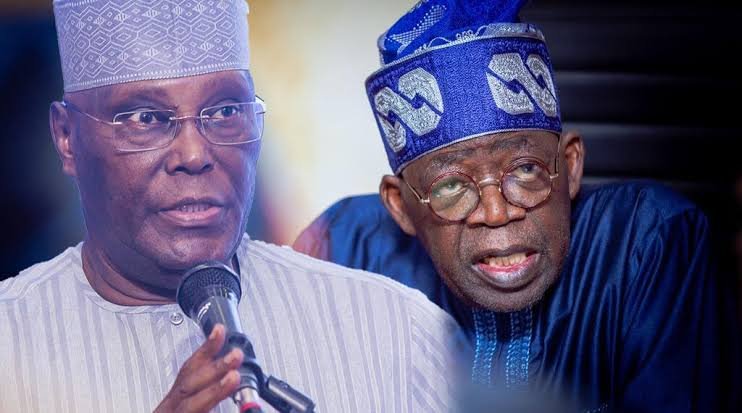
Presidential candidate of the African Democratic Congress (ADC), Atiku Abubakar, has challenged President Bola Tinubu to explain the details of Nigeria’s external debt-service payments for the second quarter of 2026, particularly $39.25 million classified as “other charges” by the Debt Management Office (DMO).
Atiku’s demand came after the DMO reported that Nigeria’s total public debt rose to N166.79 trillion as of June 30, 2026, up from N159.35 trillion at the end of March. The latest figure represents a N7.44 trillion, or 4.7 per cent, increase within three months.
In a statement by the Director of Strategic Communications of the ADC Presidential Campaign Council, Phrank Shaibu, Atiku said the DMO’s second-quarter external debt-service schedule showed $39.25 million under “other charges”.
According to him, the amount included $22.5 million relating to a First Abu Dhabi Bank Total Return Swap and about $8.97 million involving Deutsche Bank AG.
The DMO has separately published a frequently asked questions document on the $5 billion Total Return Swap with First Abu Dhabi Bank. ([DMO][2])
Atiku demanded clarification on the $22.5 million charge, asking the Federal Government to disclose the original loan facility, the amount drawn, outstanding obligations, terms of the agreement and supporting documentation.
He also called for a detailed reconciliation of government borrowing and debt repayments.
“Government should publish what subsequently matured, what was redeemed, what was rolled over and what constituted genuinely new borrowing.
“Auction allotments do not automatically equal an increase in outstanding debt because some issuances replace maturing bills.
“Nigerians need the current outstanding balance and a transparent reconciliation of the transactions behind it,” he said.
The former Vice President also criticised the economic policies of the Tinubu administration, arguing that Nigerians who had been asked to make sacrifices were entitled to know how increased government revenues and borrowing had been utilised.
“Fuel subsidy was removed. The naira was allowed to depreciate sharply. Electricity and transportation costs rose. Government revenues increased, yet borrowing continued,” Atiku said.
He argued that government performance should ultimately be measured by its impact on citizens’ living conditions.
“Good economics must improve human life. If government revenue rises while families become poorer, or debt increases while public services remain inadequate, the citizens have the right to demand full account of where their sacrifice has gone,” he said.
Atiku further called on the President and the All Progressives Congress (APC) to account for the government’s borrowing and debt-service obligations and explain the economic outcomes of the reforms implemented since 2023.
“The real test of this economy is not whether the numbers look good in government presentations. It is whether ordinary Nigerians can afford to live,” he added.


, Atiku Abubakar, has challenged President Bola Tinubu to explain the details)