



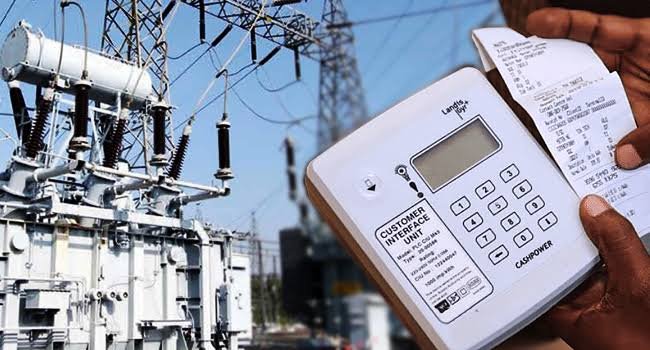
The Nigeria Governors’ Forum has said it is developing a uniform electricity tariff methodology to guide pricing across states and address inconsistencies arising from the decentralisation of electricity regulation.
The forum disclosed this at the ongoing Lagos Energy Summit in Lagos, where its representative, Chijioke Chukwu, said the proposed framework would help states navigate the complexities of tariff determination and establish more consistent pricing arrangements.
Chukwu said the NGF was working on the methodology following challenges encountered by some states in their efforts to establish electricity tariffs under the decentralised regulatory framework.
“We’re currently working on a uniform tariff methodology that will also help states really get to the point of getting their tariffs out,” he said.
He said the framework was expected to be ready by the first quarter of next year.
The proposed methodology is significant as Nigeria’s electricity market moves away from the long-standing centralised regulatory structure towards a system in which state governments have greater responsibility for regulating electricity generation, distribution and supply within their territories.
Although the decentralisation is expected to encourage competition, attract private investment and improve electricity access, differences in regulatory capacity, tariff-setting procedures and technical requirements have created challenges for states attempting to establish functional electricity markets.
Here are five important things to know about the proposed uniform electricity tariff methodology and what it could mean for electricity consumers, operators and investors.
- It is designed to address differences in tariff determination across states
One of the major objectives of the proposed framework is to establish common principles for determining electricity tariffs across state electricity markets.
Since the enactment of the Electricity Act 2023, states have been empowered to establish their electricity markets and regulatory authorities, giving them responsibility for regulating electricity activities within their jurisdictions.
However, the transition has created a situation in which states are developing their regulatory structures at different speeds, with varying levels of technical expertise and institutional capacity.
Chukwu explained that the decentralisation of electricity regulation had created the need for common minimum standards to guide the operations of state electricity markets.
Without adequate coordination, differences in the approaches adopted by state regulators could result in inconsistencies in tariff determination, licensing requirements and technical standards.
The proposed methodology is therefore expected to provide a common framework that states can use when determining the tariffs payable by electricity consumers.
It is important to note, however, that a uniform methodology does not necessarily mean identical electricity prices across all states. Differences in electricity supply costs, distribution infrastructure, energy sources, operating conditions and service quality could still influence the final tariffs approved by individual regulators.
The objective is to ensure that states work with consistent principles and procedures rather than operate entirely different approaches to tariff determination.
- It is a response to the challenges created by the Electricity Act 2023
The proposed framework comes against the background of major changes introduced by the Electricity Act 2023, which opened the electricity sector to greater participation by state governments.
Before the reforms, electricity regulation was largely centralised under the Nigerian Electricity Regulatory Commission (NERC), with the commission responsible for licensing operators, regulating tariffs and supervising distribution companies.
The constitutional amendment and subsequent Electricity Act 2023 removed the previous restriction limiting state participation in electricity generation, transmission and distribution to areas not covered by the national grid.
Under the new arrangement, states can establish electricity markets and regulatory authorities to oversee electricity activities within their boundaries, while NERC retains responsibility for interstate and international electricity activities and other matters within its federal jurisdiction.
The commission has progressively transferred regulatory oversight of intrastate electricity markets to states that have fulfilled the necessary legal and institutional requirements.
In a July 2025 notice, NERC listed Edo, Ekiti, Enugu, Imo, Kogi, Lagos, Niger, Ogun, Ondo and Oyo among the states that had assumed regulatory oversight of their intrastate electricity markets.
The development has created opportunities for states to attract investors, develop independent electricity markets and address local power supply challenges. However, it has also increased the need for coordination to ensure that the emerging markets operate within a coherent national regulatory framework.
- The NGF is developing a model electricity law and other regulatory instruments
Beyond the proposed tariff methodology, Chukwu disclosed that the forum had developed a model electricity law, using the Electricity Act 2023 as its parent legislation, to guide states in establishing their regulatory frameworks.
He, however, stressed that the model law was not designed for automatic adoption by states but would serve as a guide that could be adapted to their individual circumstances.
This is important because states have different electricity needs, infrastructure conditions, economic priorities and investment opportunities. While some may be seeking to expand electricity distribution through existing networks, others may be more interested in independent power generation, renewable energy projects and off-grid solutions.
Chukwu said some states had encountered difficulties in enacting their electricity laws because of limited technical knowledge and capacity to understand the regulatory requirements.
The NGF’s intervention is therefore expected to provide states with the necessary legislative and technical guidance to establish regulatory institutions capable of overseeing their electricity markets.
Beyond the model legislation, he said the forum was developing public-private partnership guidelines, integrated resource plans, service-level agreements and other instruments to support functional electricity markets across states.
These instruments could help states identify their electricity requirements, determine investment priorities, establish clear responsibilities for private operators and develop partnerships capable of improving power supply.
Integrated resource plans, in particular, are important in determining the most suitable combination of electricity generation sources, transmission and distribution infrastructure required to meet the needs of different communities.
- Consumers and electricity operators could be affected by the new methodology
One of the most important implications of the proposed framework is its potential impact on electricity pricing and the financial sustainability of electricity operators.
Tariff determination remains a sensitive issue in Nigeria because of the need to balance the cost of providing electricity with the ability of consumers to pay.
Electricity distribution companies and other operators require sufficient revenue to maintain infrastructure, purchase electricity, improve service delivery and attract investments. However, higher tariffs without corresponding improvements in supply quality could place additional financial pressure on households and businesses.
The challenge for state regulators will therefore be to develop tariff structures that recognise the actual cost of electricity supply while protecting consumers from unreasonable charges.
The Federal Government has also recognised the importance of technical capacity in this area. In October 2026, NERC trained officials of the Imo State Electricity Regulatory Commission on tariff determination, including revenue assessment, tariff modelling and the economic and technical considerations involved in setting electricity prices.
The training highlighted the need to balance the financial viability of electricity operators with consumer affordability and service quality.
For consumers, the proposed methodology could provide greater transparency and consistency in how electricity tariffs are calculated. It could also encourage regulators to explain the factors behind tariff adjustments and establish clearer procedures for public consultation.
However, the actual impact will depend on how individual state regulators apply the framework and whether tariff decisions are accompanied by effective monitoring of electricity supply and distribution performance.
- Effective regulation and payment discipline remain critical to success
The development comes amid concerns over weak regulatory enforcement and fragmentation in the electricity sector.
A member of the Presidential Task Force on Power Sector Reset and Restoration, Engr. Uzoma Achinanya, warned that the failure of regulators to monitor and enforce existing regulations had weakened discipline in the industry.
He argued that introducing new regulations would not address the sector’s challenges without effective monitoring and enforcement.
“And regulation without monitoring and enforcement is no regulation; you can write all the laws, all the regulations. In Nigeria, regulation is more than the height of this building, but no monitoring and no enforcement. That is why nobody is doing it,” he said.
Achinanya also identified poor payment discipline as a major threat to sustainable electricity supply, warning that gas suppliers and generation companies could not continue providing services without receiving payment.
His concerns touch on one of the industry’s most persistent problems: the inability of revenue collected across the electricity value chain to adequately meet the financial obligations of market participants.
Generation companies need payments to maintain their plants and purchase fuel, while gas suppliers require timely payments to sustain production and supply. Distribution companies, in turn, must collect sufficient revenue from consumers and meet their market obligations.
Where these payments are delayed or inadequate, the consequences can affect electricity generation, fuel supply, maintenance and the overall reliability of the power system.
NERC has also identified payment guarantees and stronger contractual arrangements as important measures for improving financial discipline and reducing the accumulation of debts within the electricity market.
Consequently, the proposed uniform tariff methodology will need to be supported by stronger regulatory oversight, transparent market arrangements and effective enforcement of existing rules.
For the Nigeria Governors’ Forum, the challenge will be to ensure that the proposed framework does not become another regulatory document without practical impact on electricity supply.
The first-quarter 2027 target for completing the methodology will therefore be an important milestone. But beyond its completion, the effectiveness of the initiative will depend on how quickly states adopt its recommendations and develop the institutional capacity to implement them.
Ultimately, decentralisation is expected to bring electricity regulation closer to the people and enable states to develop solutions that reflect their economic and energy needs. Achieving that objective, however, will require more than state electricity laws and tariff guidelines. It will depend on regulatory independence, accountability, investment certainty, consumer protection and the willingness of market participants to meet their obligations.
The proposed NGF initiative could provide an important coordinating framework for the emerging state electricity markets, but its real value will be measured by whether it helps improve electricity supply, strengthens investor confidence and delivers a more transparent and financially sustainable power sector for Nigerians.


