


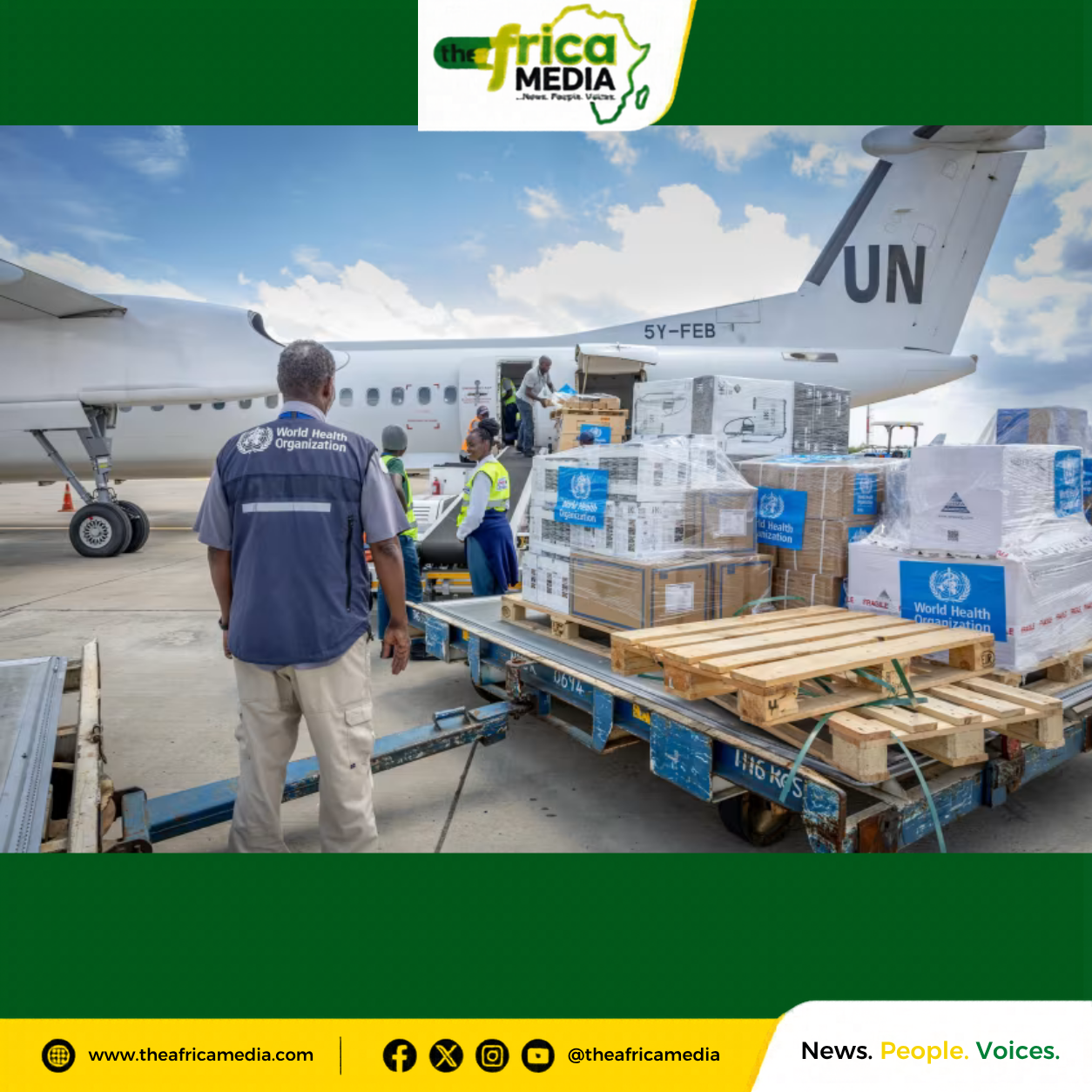
The Kenyan government has announced plans to proceed with the establishment of an Ebola quarantine and treatment facility in partnership with the United States, despite a court order temporarily halting the project.
The proposed facility, which will be located at Laikipia Air Base in central Kenya, is intended to accommodate American citizens who may have been exposed to Ebola while working in the Democratic Republic of Congo (DRC), where a deadly outbreak is currently ongoing.
In a statement released on Saturday, Kenya’s Ministry of Health said the initiative is aimed at strengthening the country’s emergency preparedness, monitoring, and isolation capabilities. The ministry added that additional isolation and treatment centres would also be established at major health institutions, including Kenyatta National Hospital and the Kenya National Police Hospital.
A source involved in the US Ebola response confirmed that American personnel assigned to support the facility arrived in Kenya on Saturday.
According to Kenyan authorities, the partnership with the United States will enhance disease surveillance, emergency response capacity, laboratory diagnostics, and access to critical medical supplies.
The development comes amid growing concerns over the Ebola outbreak in the DRC, which was officially declared on May 15. Health officials estimate that the outbreak has resulted in at least 238 deaths and more than 1,000 suspected infections.
The outbreak is linked to the rare Bundibugyo strain of Ebola, for which there is currently no approved vaccine or specific treatment. The virus has also spread into neighbouring Uganda, where authorities have reported one death and several confirmed infections.
However, the project has generated controversy in Kenya. A High Court judge recently issued temporary orders preventing the government from establishing or operating Ebola-related facilities under agreements with foreign governments until a legal challenge is resolved.
The case was filed by the Katiba Institute, a civil society organisation, which questioned the legality and public health implications of the arrangement. The matter is expected to return to court in the coming weeks.
The proposed facility was described by US officials as a modern, high-standard quarantine centre designed to provide medical care for Americans exposed to Ebola without requiring immediate transport back to the United States.
Earlier this month, an American doctor who contracted Ebola in the DRC was evacuated to Germany for treatment, while another US citizen with high-risk exposure was transferred to the Czech Republic.
Under the arrangement, the quarantine unit is expected to initially accommodate up to 50 individuals, with plans for additional isolation and biocontainment capacity in the future. Patients who develop symptoms or test positive for Ebola would be transferred to specialised treatment facilities.
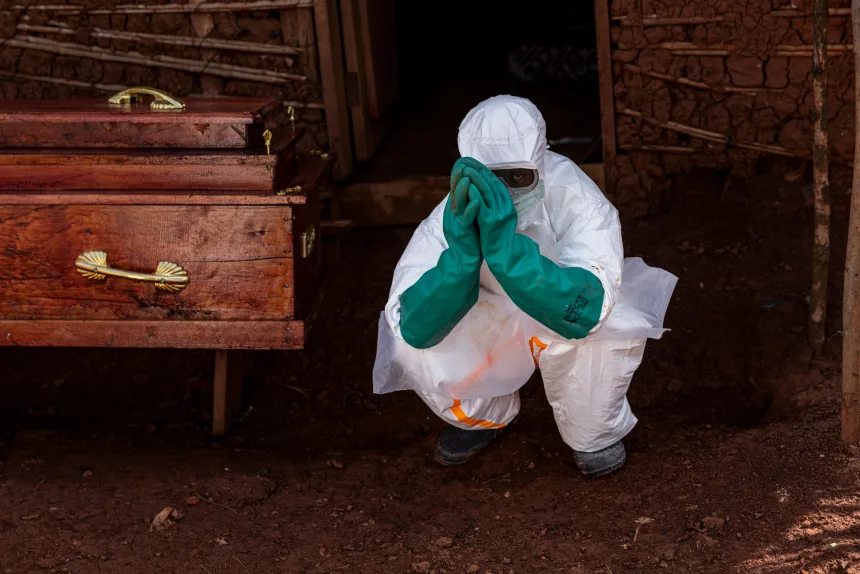
A spokesperson for the US Department of Health and Human Services said a team of medical professionals, including doctors, nurses, laboratory experts, mental health specialists, and engineers, had been deployed to Kenya to support the operation. Several members of the team previously participated in Ebola response efforts during the 2014–2015 outbreak in Liberia.
Questions remain over whether the facility would be used exclusively for American citizens or could also receive patients from other countries, a concern that has fuelled public debate in Kenya.
The proposal has faced opposition from the Kenya Medical Practitioners, Pharmacists and Dentists Union (KMPDU) and other professional bodies, which have called for greater transparency from the government.
KMPDU Secretary-General, Dr. Davji Bhimji Atellah, questioned why Kenya was selected for the project when the outbreak remains concentrated in the DRC.
He argued that Kenya’s healthcare system already faces significant challenges and warned against turning the country into a regional containment centre for a highly infectious disease.
The ongoing outbreak has also prompted health alerts in several countries. Authorities in Brazil recently launched investigations into a suspected Ebola case involving a traveller who had returned from the DRC. Similar suspected cases in India and Italy were later ruled out after laboratory testing.
Although confirmed cases remain limited to the DRC and Uganda, humanitarian organisations have warned that several African countries, including Kenya, Tanzania, Rwanda, Angola, Burundi, Ethiopia, South Sudan, Zambia, the Central African Republic, and the Republic of Congo, remain at risk of potential spread.
Health officials continue to monitor the situation closely as efforts intensify to contain the outbreak and prevent cross-border transmission.


