


Britain’s biggest technology companies have warned that plans to ban children under-16 from using social media could drive young people towards less regulated and potentially more dangerous online spaces.
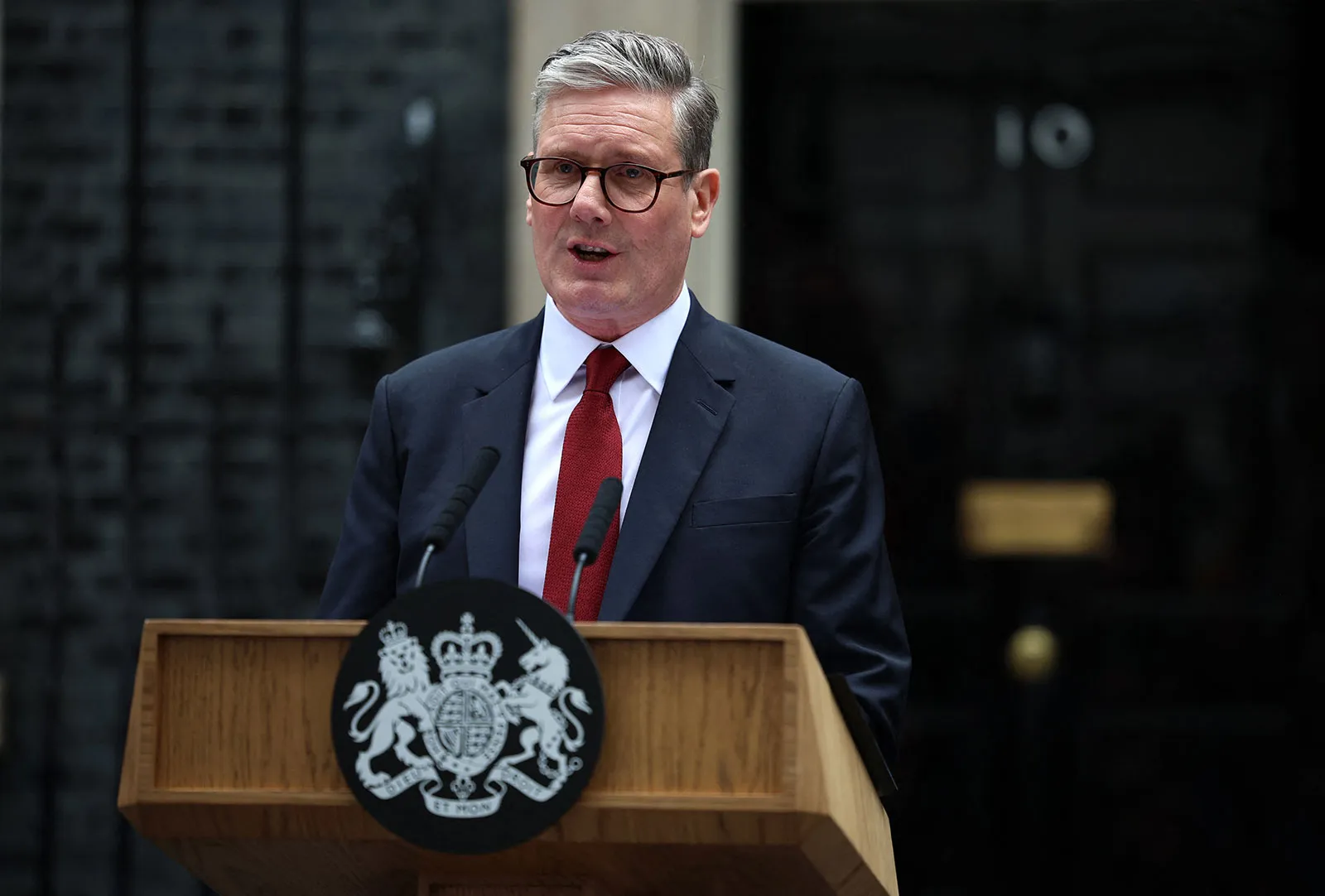
Prime Minister Sir Keir Starmer announced the sweeping restrictions on Monday, saying the move was necessary to protect children from bullying, harmful content and the growing mental health risks linked to social media use.
Under the proposed rules, children under 16 would be barred from downloading or using major platforms including Instagram, Facebook, Snapchat, TikTok, YouTube and X. The measures would also restrict livestreaming by minors and prevent under 18s from accessing romantic AI chatbots designed to simulate intimate relationships.
The announcement marks one of the toughest internet safety crackdowns in the world and goes further than legislation recently introduced in Australia, where similar age restrictions have sparked fierce debate.
Technology firms were quick to criticise the proposal. Meta, the parent company of Facebook and Instagram, argued that outright bans risk cutting teenagers off from valuable online communities and educational resources.
The company said experience from Australia suggests restrictions can push young users towards unregulated platforms that lack parental controls and safety features.
YouTube also warned that blanket bans could remove children from supervised online environments and encourage them to seek out anonymous services with fewer protections. Snapchat echoed those concerns, arguing that preventing teenagers from communicating with friends and family on its platform may not improve safety and could instead expose them to greater risks elsewhere.
Despite the criticism, Starmer defended the policy, insisting it is possible to support innovation and artificial intelligence while also protecting children.
“Social media is making children unhappy, making it easier for bullies to harass and abuse them, and it could even be harming their mental health,” he said.
The proposal follows growing international concern about the impact of social media on young people. Studies published by organisations including the World Health Organization and child safety groups have linked excessive social media use to anxiety, depression, sleep disruption and exposure to harmful content.
Campaigners welcomed the announcement. Among them was Esther Ghey, mother of murdered teenager Brianna Ghey, who has become a prominent advocate for stronger online safety measures. She said the ban could help save lives and protect vulnerable children.
The government acknowledges enforcement will be challenging, particularly as many teenagers may attempt to bypass restrictions. However, ministers argue that difficulty should not prevent action.
If approved by Parliament, the measures are expected to come into force by next spring, setting up a major confrontation between the government and some of the world’s most powerful technology companies over the future of children’s access to social media.


