


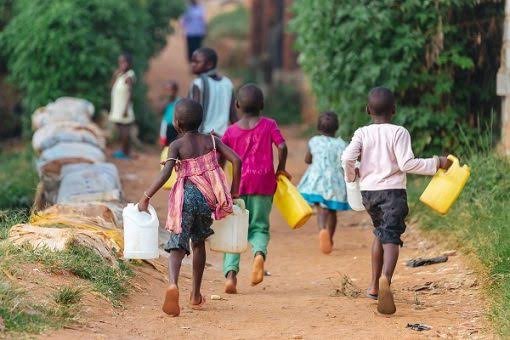
More than 458,000 children engaged in economic activity in Ghana are not attending school, according to the Commission on Human Rights and Administrative Justice (CHRAJ), which says child labour continues to rob children of their right to education and a better future.
In a statement marking the 2026 World Day Against Child Labour on June 12, CHRAJ described child labour as one of the most serious child rights challenges facing the country. The Commission stressed that every child deserves protection, education and the opportunity to develop in dignity.
CHRAJ pointed to Ghana Statistical Service figures showing that more than 1.1 million children aged between five and 17 were involved in economic activity in 2023. Of that number, over 458,000 were not in school, including thousands who have never attended classes.
The data also shows that child labour is more common in rural communities, which account for nearly three quarters of working children. Many are involved in family work, farming and unpaid training.
CHRAJ said the situation persists despite protections under Ghana’s Constitution, the Children’s Act and international agreements on child rights. The Commission warned that child labour fuels poverty, widens inequality and limits opportunities for future generations.
The warning comes as the world marks this year’s campaign under the theme, “Red Card to Child Labour: Fair Play for Children, Decent Work for Adults.” The campaign, backed by the International Labour Organization, calls for stronger action on education, social protection and decent jobs for adults to keep children out of work and in school.
CHRAJ is urging government, businesses, civil society groups and communities to intensify efforts to tackle the conditions that push children into labour and ensure every child has access to education and protection.


