



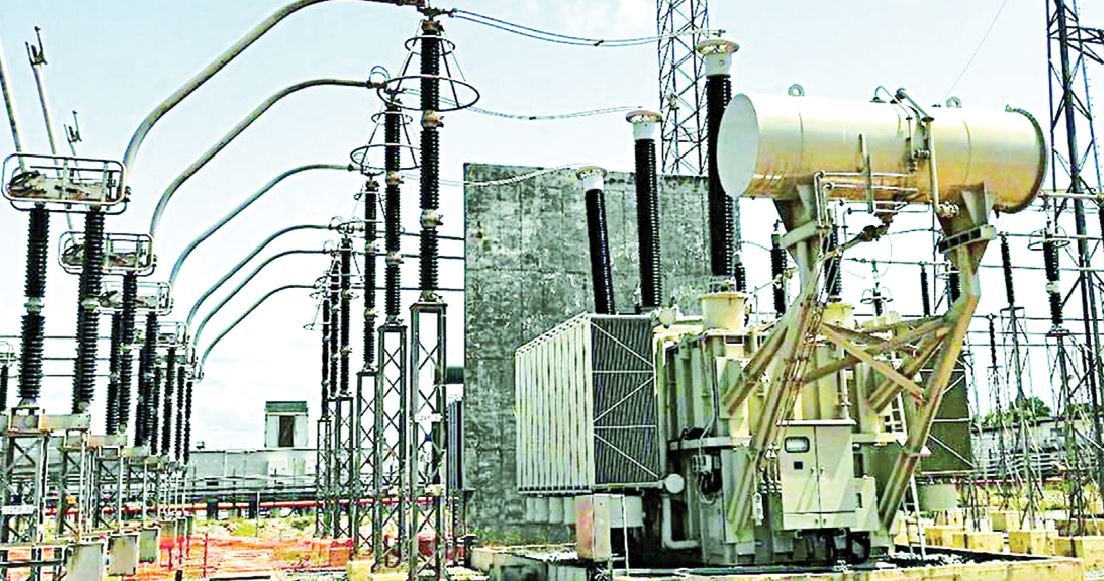
Since the Federal Government categorised electricity consumers in the country, it has been one blame game after another. If the government is not blaming grid collapse, it is pointing accusing fingers at electricity distribution companies (Discos) or generation companies (Gencos), leaving consumers to bear the consequences of persistent power outages.
In the last two months, electricity supply has been erratic across several parts of the country, and on Thursday, November 5, the government started another round of explanations by attributing the worsening outages to gas shortages, maintenance challenges and declining hydropower generation.
For many consumers, especially those living in Lagos, Abuja, Ogun, Kwara and Oyo states, this blame game is no longer making sense. The frequent interruptions have disrupted household activities, affected businesses and increased the cost of running generators, while the assurances of improved electricity supply have continued to offer little relief.
What is particularly frustrating for consumers is that the explanations coming from the government and operators of the electricity industry have become increasingly familiar. Whether the problem is attributed to gas supply, transmission limitations, generation shortfalls or distribution challenges, the outcome remains the same: Nigerians are left without reliable electricity and are expected to make alternative arrangements at additional costs.
The Minister of Power, Joseph Tegbe, said the disruptions followed recent improvements in electricity supply across the affected areas, insisting that preliminary assessments showed no major or systemic failure of the national grid.
The minister’s explanation suggests that the latest outages were caused by operational constraints within different segments of the electricity value chain rather than another nationwide grid collapse. However, for consumers who have experienced repeated interruptions, the distinction offers little comfort when electricity remains unavailable for several hours.
The outages come as electricity distribution companies received a combined allocation of 2,926 megawatts as of 4:41pm on Thursday, November 5, 2026, according to the latest distribution data.
Abuja Electricity Distribution Company received the highest allocation of 633MW, representing about 21.6 per cent of the total. Ibadan Disco followed with 391MW, while Port Harcourt Disco received 320MW.
Benin Disco was allocated 264MW, Eko Disco 256MW, Enugu Disco 253MW and Ikeja Disco 249MW.
Kano Disco received 173MW, Kaduna Disco 167MW and Jos Disco 146MW, while Yola Disco recorded the lowest allocation at 74MW.
The figures represent electricity allocated to the distribution companies at the stated time and do not necessarily reflect the actual supply delivered to consumers. This distinction is important because allocation figures alone cannot establish how much electricity eventually reaches homes, offices, factories and commercial establishments.
For electricity consumers, what matters is not simply the megawatts allocated to a distribution company but the number of hours of supply they receive, the stability of that supply and whether it is sufficient to support their daily activities.
In a statement by his Special Adviser on Media and Publicity, Adeola Adelabu, Tegbe said the government was working with the Transmission Company of Nigeria (TCN), Nigerian Independent System Operator (NISO) and electricity distribution companies to resolve the supply constraints.
He attributed the disruptions to maintenance and operational challenges across parts of the electricity value chain, inadequate gas supply to thermal power stations and reduced output from hydropower plants due to lower water inflows.
While these factors are recognised problems in Nigeria’s electricity industry, the question is why successive administrations have struggled to address them despite repeated promises, policy changes and huge financial interventions in the sector.
Gas supply, in particular, has remained a major obstacle to electricity generation. Nigeria has substantial natural gas reserves, yet the domestic infrastructure and commercial arrangements required to deliver sufficient gas to power plants have remained inadequate.
The Nigerian Electricity Regulatory Commission (NERC), in its 2024 annual report, identified unreliable gas supply, poor maintenance and the financial difficulties of generation companies as major constraints on electricity generation. It also disclosed that the average age of generating plants in the country was 22 years as of December 2024.
The regulator noted that only five of the 23 thermal power plants had fully effective gas supply agreements at the end of that year, leaving the remaining plants exposed to possible supply disruptions.
This explains why the problem cannot be resolved simply by asking electricity distribution companies to improve supply. When generating companies cannot obtain sufficient gas to operate their plants, the volume of electricity available for transmission and distribution will inevitably decline.
The financial condition of the electricity market also complicates the situation. Generation companies require regular payments to maintain their facilities, purchase fuel and invest in additional capacity. Gas suppliers, in turn, need confidence that power companies will meet their obligations.
Where payments are delayed or outstanding debts accumulate, the entire value chain suffers. Consumers eventually pay the price through reduced electricity supply, even though they have little control over the financial and operational difficulties confronting the operators.
The minister acknowledged the impact of the outages on households, businesses and public institutions, promising to accelerate efforts to restore electricity supply.
“The Ministry acknowledges the inconvenience this has caused households, businesses and public institutions, and understands the frustration of Nigerians who had begun to see the benefits of steadier supply.
“We recognise what every hour without power means for individuals, families and businesses, and we do not take it lightly,” he said.
Tegbe said he had engaged relevant agencies and distribution companies to address the constraints, speed up ongoing maintenance and ensure consumers receive updates on restoration efforts.
However, Nigerians have heard similar assurances from successive ministers of power and industry officials. What electricity consumers want is a clear explanation of when supply will improve and, more importantly, a sustainable plan to prevent the recurrence of the same problems.
For businesses, the consequences of unreliable electricity go beyond inconvenience. Small and medium-sized enterprises, manufacturers, hotels, hospitals, cold-storage operators and other businesses that depend on regular power supply are forced to spend more on alternative sources of energy.
The additional cost of diesel and petrol generators is eventually reflected in the prices of goods and services. Manufacturers also face the challenge of planning production schedules around uncertain electricity supply, while households must make room in their budgets for fuel, generator maintenance and other associated expenses.
The situation raises questions about the effectiveness of the government’s electricity reforms, particularly the expectations created by the Electricity Act 2023, which opened the door for states to establish and regulate their own electricity markets.
Although decentralisation offers opportunities for investment and improved service delivery, it does not automatically resolve the country’s gas supply, generation and transmission challenges. The federal government still has an important responsibility to ensure that the national electricity infrastructure operates efficiently and that the transition to a more decentralised market does not become another excuse for poor service.
Meanwhile, the Federal Government has facilitated the clearance of 44 containers of electricity equipment stranded at Apapa ports in Lagos, where more than 300 containers had reportedly remained abandoned, some since 2014.
The minister said the clearance followed President Bola Tinubu’s directive after the last Federal Executive Council meeting, mandating the Ministry of Power to work with the Nigeria Customs Service and the Nigerian Ports Authority to resolve the outstanding issues.
According to Tegbe, the President directed the agencies to reconcile outstanding charges and facilitate the release of the equipment.
He said the first 44 containers had been released following the intervention, adding that technical experts would inspect their contents before deployment.
Serviceable equipment, he said, would be deployed to ongoing electricity projects, while unusable items would be disposed of appropriately.
The clearance is significant, particularly given the length of time some of the equipment has remained at the ports. However, the development also raises questions about how critical electricity infrastructure could remain stranded for more than a decade while the country continued to complain about inadequate power supply.
If the equipment was procured for electricity projects, the government should explain why the relevant agencies failed to resolve the port charges and other administrative issues earlier. The delay also underscores the need for better coordination among government agencies responsible for implementing power sector projects.
The clearance comes after the Niger Delta Power Holding Company (NDPHC) recovered 110 abandoned containers and 216 packages under its Managing Director, Jennifer Adighije.
The recovery reportedly saved more than N30bn and helped unlock about 470MW of electricity generation capacity through recovered turbines.
The Ministry of Power said the latest clearance was expected to provide additional equipment for ongoing power infrastructure projects.
However, it did not disclose the specific contents of the 44 containers, their condition or when the equipment would be deployed.
This is where the government needs to demonstrate that the latest intervention is more than an announcement. Nigerians deserve to know what was recovered, the projects for which the equipment was originally purchased, the cost of keeping them at the ports for so long and the additional electricity capacity expected from their deployment.
The recovery of abandoned equipment is commendable, but it should also prompt an investigation into the circumstances that allowed public assets to remain unused for years. There must be accountability for the delays, particularly when the country has spent billions of naira trying to improve electricity generation and distribution.
More importantly, the government must look beyond the immediate challenges responsible for the latest outages. Regular gas supply, timely maintenance of generating plants, expansion of transmission infrastructure, improved distribution networks and financial stability across the electricity market must become priorities.
The Nigerian Electricity Regulatory Commission and other relevant agencies also need to strengthen their oversight of the operators and ensure that consumers receive the service they pay for. Electricity distribution companies should not be allowed to hide behind generation shortages when their own networks and operational inefficiencies contribute to poor service delivery.
The government must also be more transparent about the progress of its interventions, including the expected benefits of the recovered equipment and the timelines for resolving the current supply constraints.
Ultimately, Nigerians are tired of explanations. They have endured years of inadequate electricity supply, repeated tariff adjustments and promises that the sector will perform better. What they need is reliable electricity, not another round of official statements explaining why the lights have gone out.
The question is no longer whether gas shortages, maintenance problems or transmission limitations exist. These challenges have been identified repeatedly. It is whether the government has the political will, technical capacity and sense of urgency to address them.
Until that happens, the blame game will continue, while households and businesses bear the cost of a power sector that has consistently failed to meet their expectations.
When, therefore, will the Federal Government move beyond blaming grid operators, gas suppliers, Gencos and Discos to delivering the reliable electricity Nigerians deserve?


